
Window blinds, made to measure
Blinds decide how a room feels at three in the afternoon and how private it is at nine at night. Made for your windows rather than bought in a standard size, they fit the opening, clear the handles and sit where they should.
Roller, roman, venetian, vertical, panel glide and honeycomb blinds, with custom-made window furnishings and professional installation available. Your local Andersens can work through the type, the fabric and the fit with you, window by window.
Roller, roman, venetian, vertical, panel glide, honeycomb
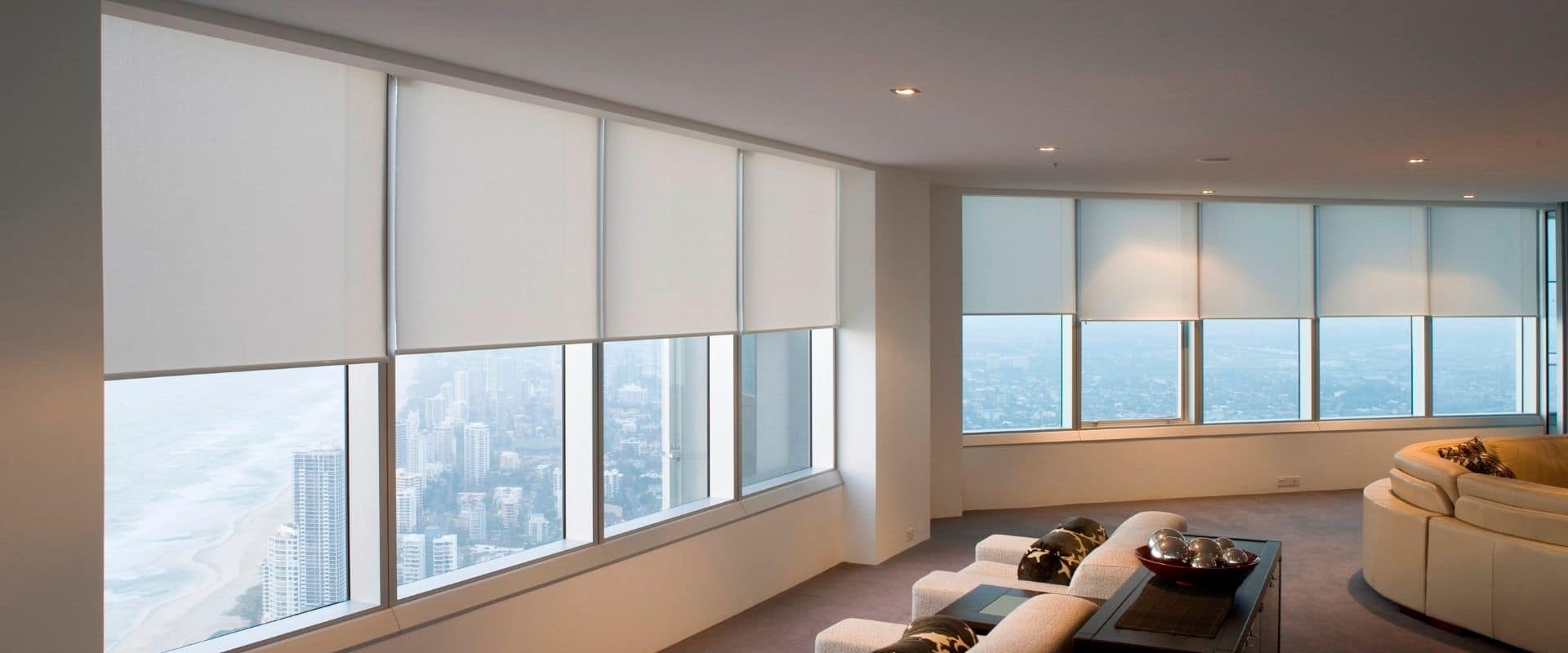
Start with the problem
Most people come to blinds with a room that is too bright, too hot or too exposed, not with a mechanism in mind. Pick the thing you are trying to fix.

What custom blinds means
A blind is an adjustable covering that controls the light, the privacy and the look of a window. Depending on the type it works by rolling fabric up, folding it, tilting horizontal slats, rotating vertical blades, sliding broad panels along a track, or stacking cellular fabric.
Custom means it is made for one particular window rather than bought in a standard size. That lets the blind be planned around the width and the drop, the depth of the recess, window handles and winders, how the window or door opens, the furniture underneath it, where the blind stacks when it is open, how much light you want to lose and where it is mounted.
-
Where it earns its place
Wide or tall windows, sliding and stacking doors, awkward dimensions, several windows in one room that need to line up, and any room where light control or privacy is the whole point of the purchase.
-
Where ready-made is fine
A straightforward window that a standard size already suits. There is no reason to make a custom blind for a small square window in a spare room.
-
Why fit changes so much
With a blind, fit is not only cosmetic. The gaps at the sides and the top are where the light gets in, so a blind made for the opening controls light better than one that is close enough.
| Consideration | Custom blinds | Ready-made blinds |
|---|---|---|
| Sizing | Made to the measurements of the window | Standard sizes off the shelf |
| Fit | Planned around the opening and its clearances | Often a compromise at the edges |
| Fabric and material | Chosen from the range available to you | Limited to what is stocked |
| Operation | Options depend on the product | Decided for you |
| Wide openings | Configured around the opening | Size limits are common |
| Measuring | Professional measuring available | Usually up to you |
| Installation | Professional installation available | Often a DIY job |
| Motorisation | Available on selected systems | More limited |
| Several windows | Planned together so they match | Bought one at a time |
Light, privacy and everything after
Work out how much light you want and when you need privacy. The type, the fabric and the colour are much easier decisions once that first one is made.
Control the light
How much daylight a blind lets in depends on the type, the fabric, its opacity, where the slats or blades are sitting, how it is installed and which way the window faces. That is why a bedroom and a bright living room usually end up with different blinds in the same house.
Manage the glare
Glare on a television, a laptop or a kitchen bench is one of the most common reasons people buy blinds. A sunscreen fabric or a tilting slat cuts the harshness without closing the room off, which is usually what you want in a room you are using.
Create privacy
Privacy is not one thing. A blockout roller behaves nothing like an open sunscreen weave, and a venetian changes depending on where the slats are. Daytime privacy and night-time privacy are separate questions, and the answers are often different.
Keep the window compact
Unlike a curtain, a blind sits at or just over the window and takes almost nothing off the room. That suits smaller rooms, minimal interiors, windows above a bench or a bed head, kitchens, home offices, and anywhere floor-length fabric would just be in the way.
Work with the rest of the room
Blind fabrics, colours and materials can be chosen to sit with your flooring, walls, furniture and cabinetry, and with curtains or shutters if you are using more than one. It is easier to do that in one conversation than in three.
Add a layer at the glass
A blind puts another layer between the room and the window, which can help with the heat coming through it. How much depends on the blind, the fabric, the fit, the glazing and the orientation, so it is worth asking about a specific product rather than assuming it from the type.
Worth being clear about. Sunscreen fabric is not a night-time privacy solution on its own. Blockout fabric restricts light through the fabric, but light still comes in around the blind unless the installation is planned for it. Thermal performance varies with the product, the fabric and the fit. Ask what a specific blind does rather than what blinds do.
Six ways to cover a window
The type decides how the blind moves and how much adjustment you get. The fabric decides how much light it stops. Most homes end up using more than one type, because a sliding door and a bedroom window want different things.
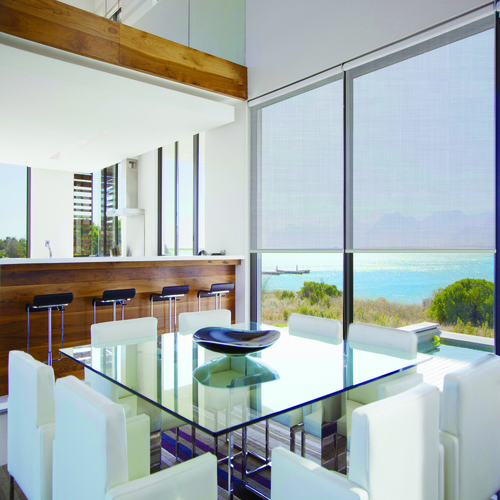
Roller blinds
The versatile one
One piece of fabric on a tube above the window. It sits flat and close to the glass, takes up very little room, and the fabric does the work, so the same blind can be light filtering in one room and blockout in another.
Suits most rooms in a house.
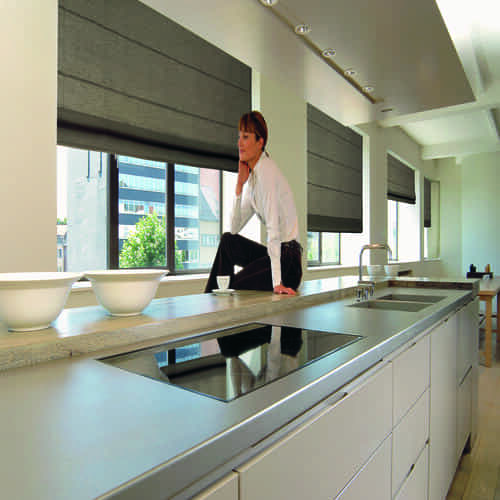
Roman blinds
The soft one
Fabric that gathers into horizontal folds as it lifts. It gives you the texture of a curtain while staying inside the window area, which is why it turns up in bedrooms, living rooms and more formal spaces.
Choose it when the fabric is part of the room.
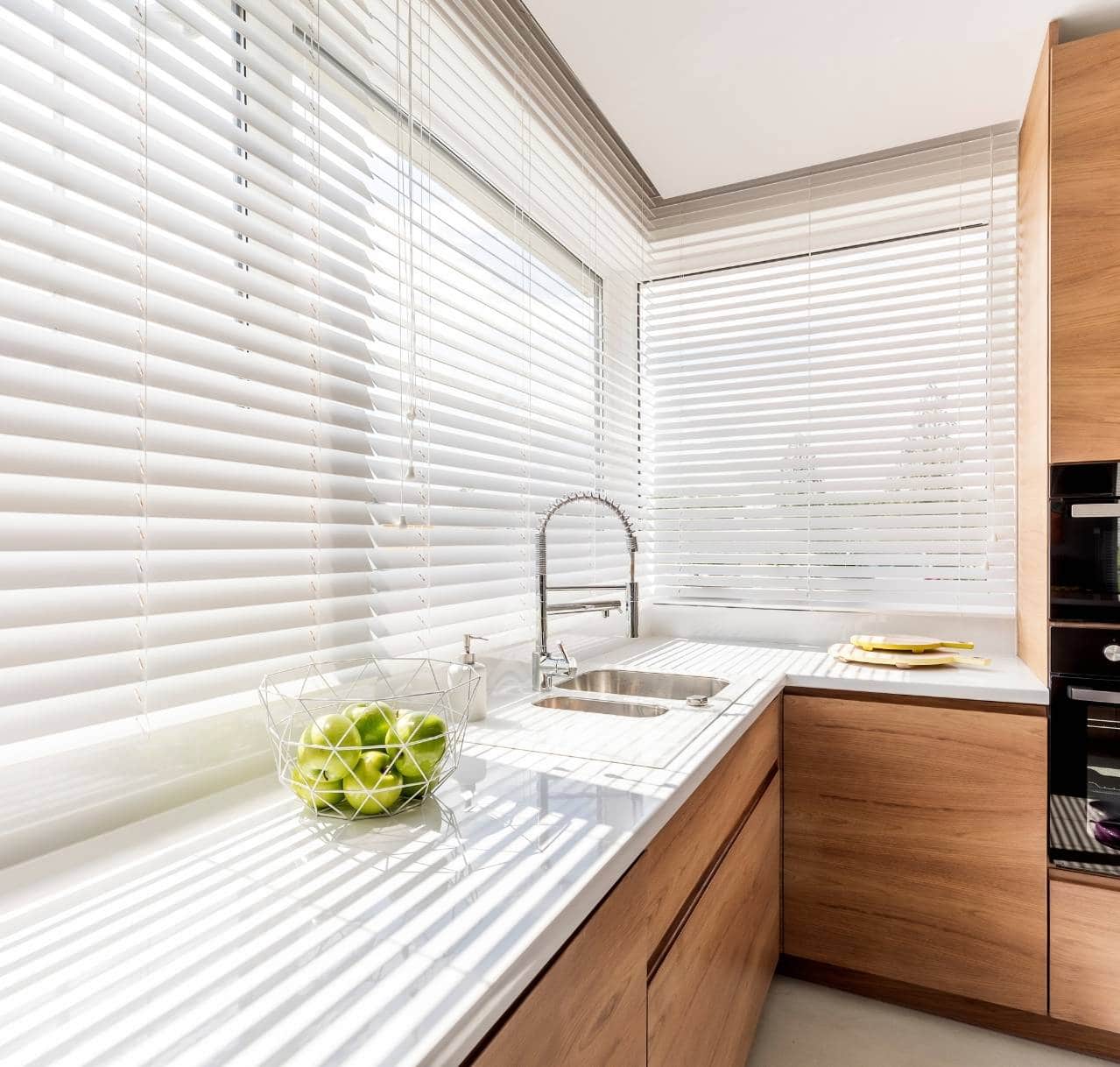
Venetian blinds
The adjustable one
Horizontal slats you can tilt. That is the difference: you can let light in at the top and keep the lower half closed, so daylight and privacy do not have to be the same decision.
Slat materials and finishes vary by range.

Vertical blinds
The practical one
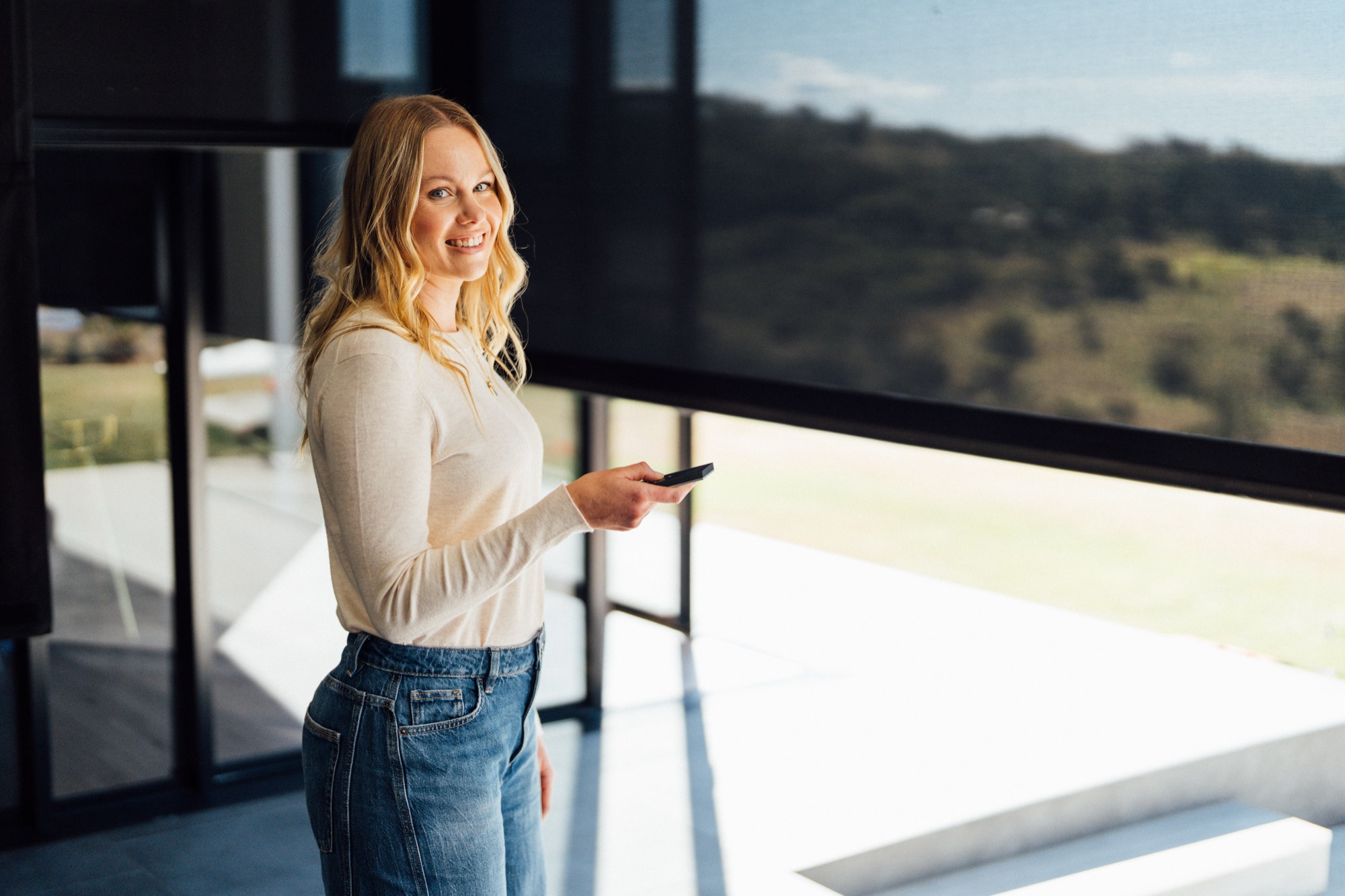
Vertical blades that rotate to adjust the light and draw sideways to clear the opening. Drawing sideways is what makes them work with a door you use every day.
Strong on wide openings and sliding doors.
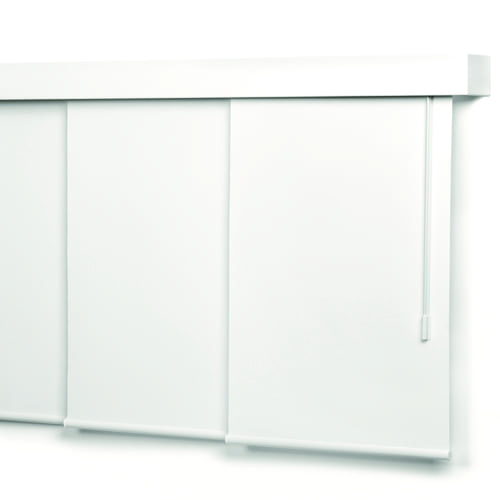
Panel glide blinds
The wide one
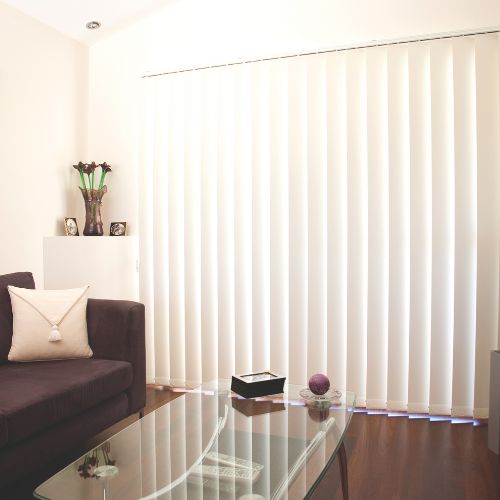
Broad fabric panels that slide along a track and stack to one side. Fewer, larger sections than a vertical blind, which reads as more architectural across a big glazed wall.
Built for sliding doors and large glazing.
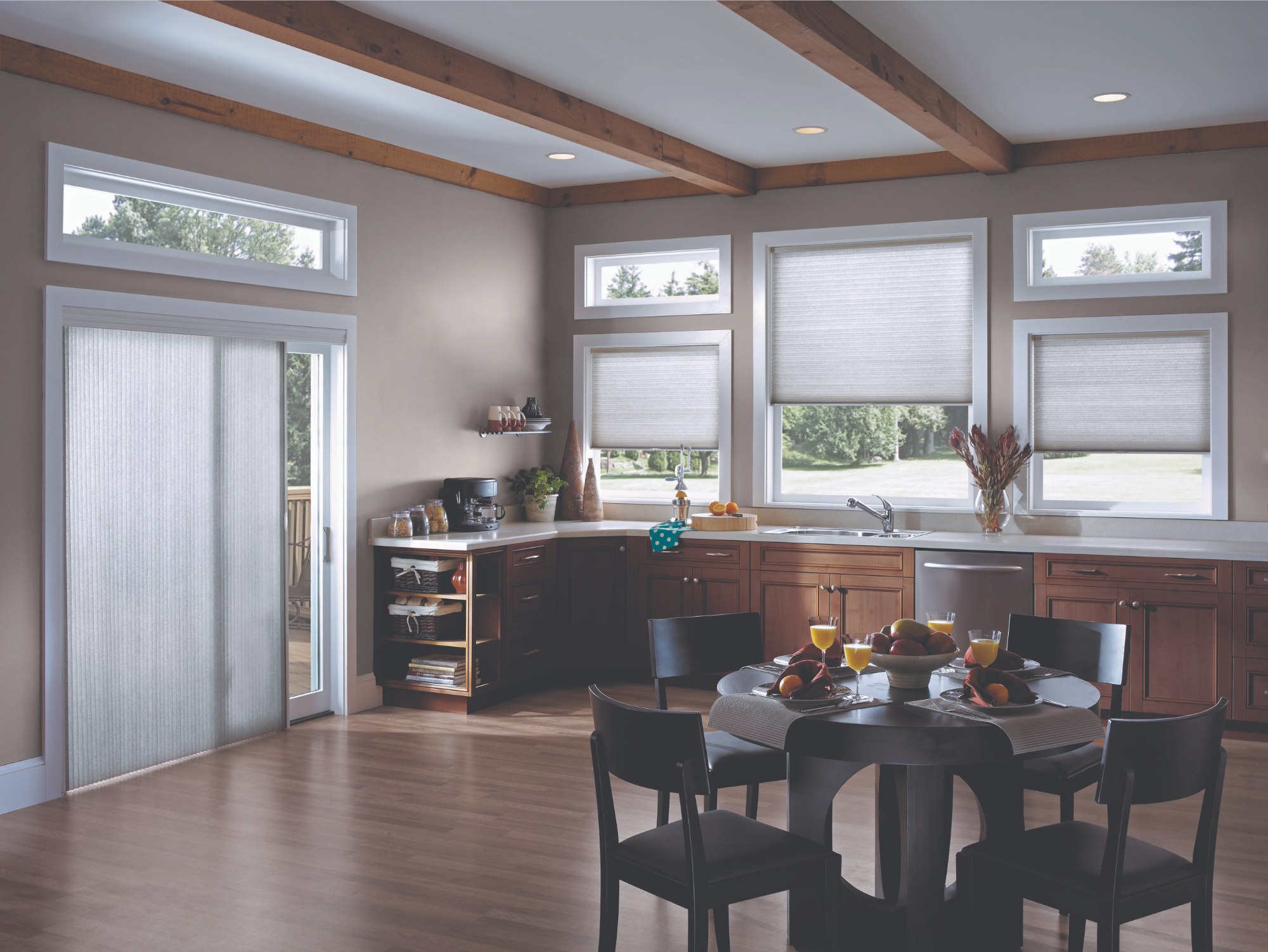
Honeycomb blinds
The cellular one
A cellular fabric that forms rows of air pockets across the blind. It stacks up very compactly when raised, and the construction puts an extra layer of trapped air at the glass.
Thermal performance varies by product. Ask for the manufacturer data.
| Type | Light control | Often used in | Worth knowing |
|---|---|---|---|
| Roller | Set by the fabric, from filtered through to blockout | Bedrooms, living rooms, home offices, most standard windows | Two blinds can be combined at one window where the range allows it |
| Roman | Set by the fabric, and by any lining | Bedrooms, living and dining rooms, more formal interiors | A fabric blind, so think about where it sits in a kitchen |
| Venetian | Adjustable through the day by tilting the slats | Kitchens, living areas, home offices, rooms with changing light | Horizontal slats collect dust and need regular light dusting |
| Vertical | Adjustable by rotating the blades | Wide windows, sliding doors, large openings | Draws sideways, so it clears a door you use often |
| Panel glide | Set by the fabric, with the panels slid open or closed | Sliding doors, large glazed walls, wide windows | Panels need somewhere to stack when they are open |
| Honeycomb | Set by the fabric and the cell structure | Bedrooms, living areas, windows where a compact stack matters | Cellular fabric needs careful cleaning so the cells are not distorted |
Not sure which type suits your windows?
Blockout, sunscreen or filtered
The mechanism is only half the decision. The fabric is what decides how the blind handles daylight and how private the room is, and it is the part people most often get wrong.
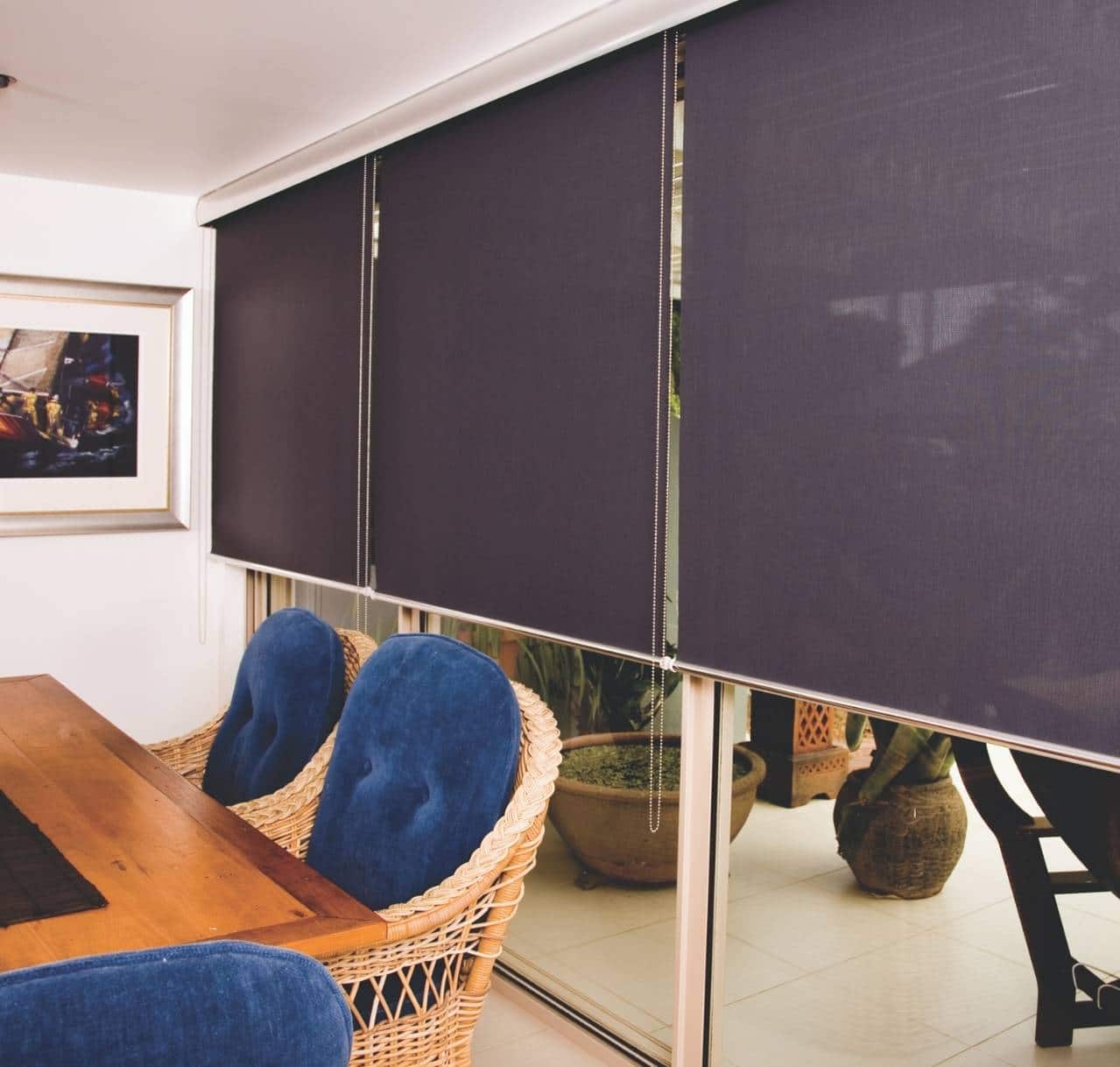
Blockout
Strongest light control
Fabric made to stop most of the light passing through the material itself. It is the usual answer for bedrooms, nurseries, media rooms, street-facing rooms and anyone sleeping during the day.
Restricts light through the fabric. It does not seal the window.
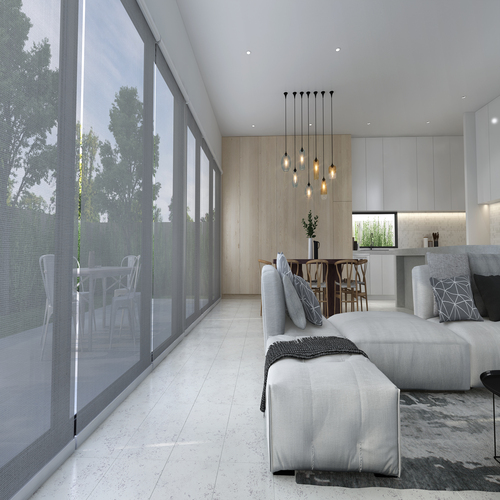
Sunscreen
Keeps the view
An open weave that cuts the glare while you can still see out through it. Useful in living rooms, dining areas, home offices and anywhere the view is part of why you bought the house.
What you can see through it changes after dark. See below.
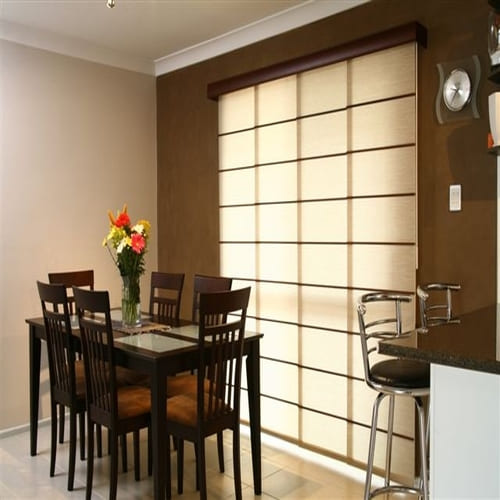
Light filtering
Soft daylight
Fabric that diffuses daylight rather than blocking it, so the room stays bright but you are not on display and the light is not harsh.
More screening than a sunscreen, less darkening than a blockout.
Can people see in at night?
This is the question to ask before you choose a sunscreen fabric, and the answer is usually yes. An open weave screens the window while it is brighter outside than inside, which is most of the day. After dark with the lights on, that reverses. The same blind that gave you privacy at midday can leave you quite visible at eight in the evening.
It is not a fault in the fabric, it is how an open weave works. If privacy after dark matters in that room, plan for a blockout blind, a curtain or another covering you cannot see through, at the same time rather than later.
Ask to see a sample held up against a window rather than flat on a bench. How much you can see through it is far more obvious that way.
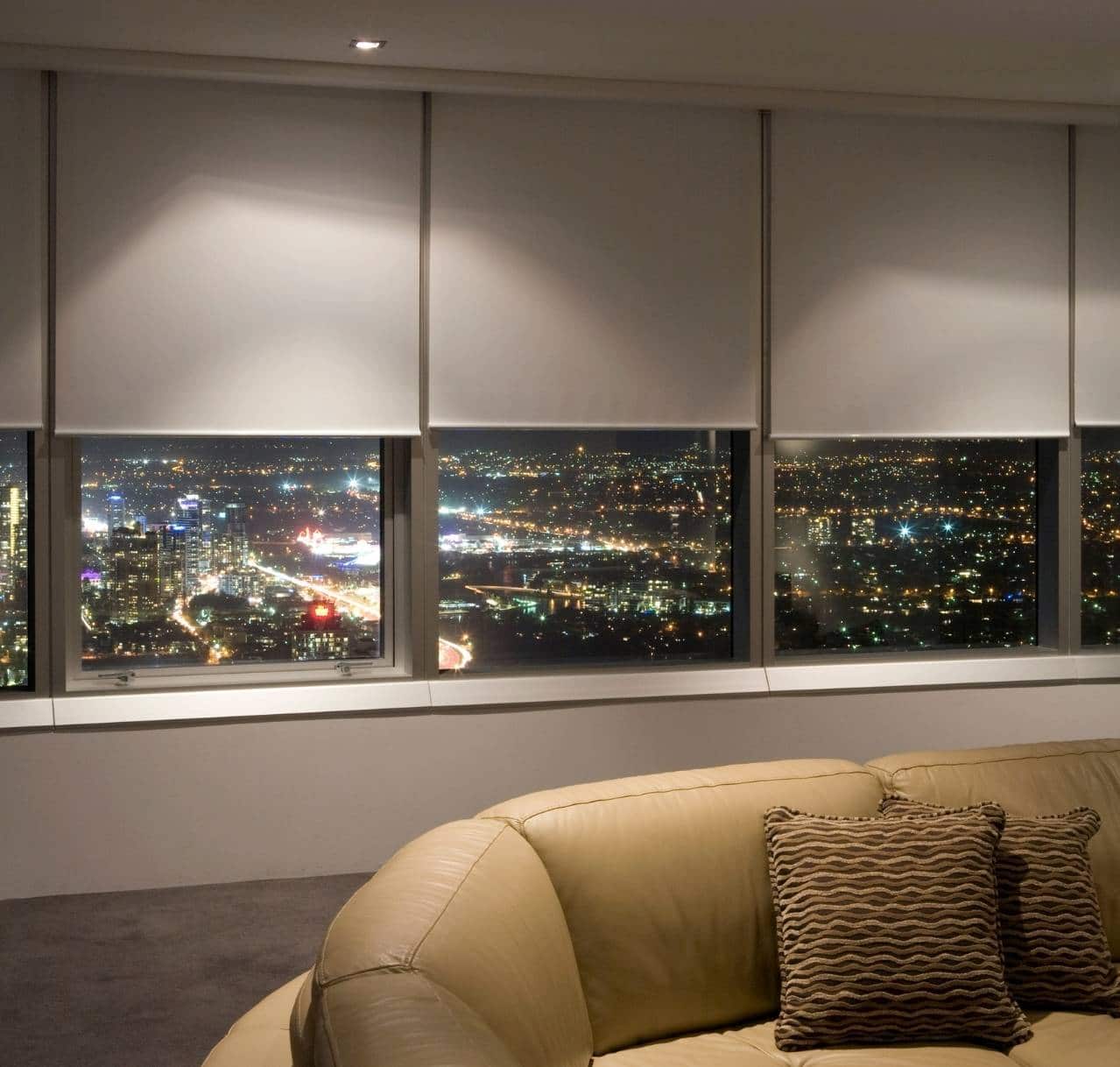
Blockout fabric is not a blacked-out room. Blockout describes the fabric, not the installation. Light can still come in above the top of the blind, down the sides, under the bottom rail and between two blinds at the one window. If you are buying for sleep, talk about the whole configuration and how it is mounted, because that is what decides how dark the room actually goes.
| What matters most to you | Worth considering |
|---|---|
| Strong light control in a bedroom | Blockout |
| Cutting glare during the day | Sunscreen, or a light-filtering fabric |
| Keeping the view | Sunscreen |
| Soft, bright daylight | Light filtering |
| Different answers by day and by night | Two blinds at the one window, where the range allows it |
| Privacy after dark | Blockout, or another fabric you cannot see through |
Two blinds at one window
Where the range allows it, two blinds can be fitted at the same window, most commonly a sunscreen or light-filtering blind for the day and a blockout blind for the night. It is the answer to most of the day-versus-night problems people arrive with, and it is why the configuration comes up so often in living rooms and bedrooms.
Which products can be paired this way depends on the range and on the space available at the top of the window, so it is one to confirm with your local store before planning a room around it.
Sliding doors and wide windows
A wide glazed wall is a different problem from a standard window, and the systems that suit it are the ones that draw sideways rather than up and down.
Sliding doors
A door you use every day needs a blind that clears it. Panel glide and vertical blinds both draw sideways and stack out of the way, which is why they are the usual answer here. Selected roller configurations and curtains are worth comparing as well.
Before you decide, look at:
- Which way the door slides, and which panel actually opens
- Where the handle sits and whether the blind will foul it
- Which side the blind should stack, and whether there is room for it
- Furniture near the opening
- How often the door gets used, because that decides how much the stacking matters
Wide and tall windows
Large blinds are heavier, need larger components and take more planning to install. Sometimes the answer is one blind, and sometimes it is several blinds that line up across the opening. Maximum sizes are specific to the product, so what a particular blind can span is confirmed at the measure rather than assumed from the type.
- The overall width and the drop
- Whether one blind or several suits the opening better
- How adjoining blinds align with each other
- Where the panels or blades stack when open
- Whether the blind is high or awkward enough to want a motorised option
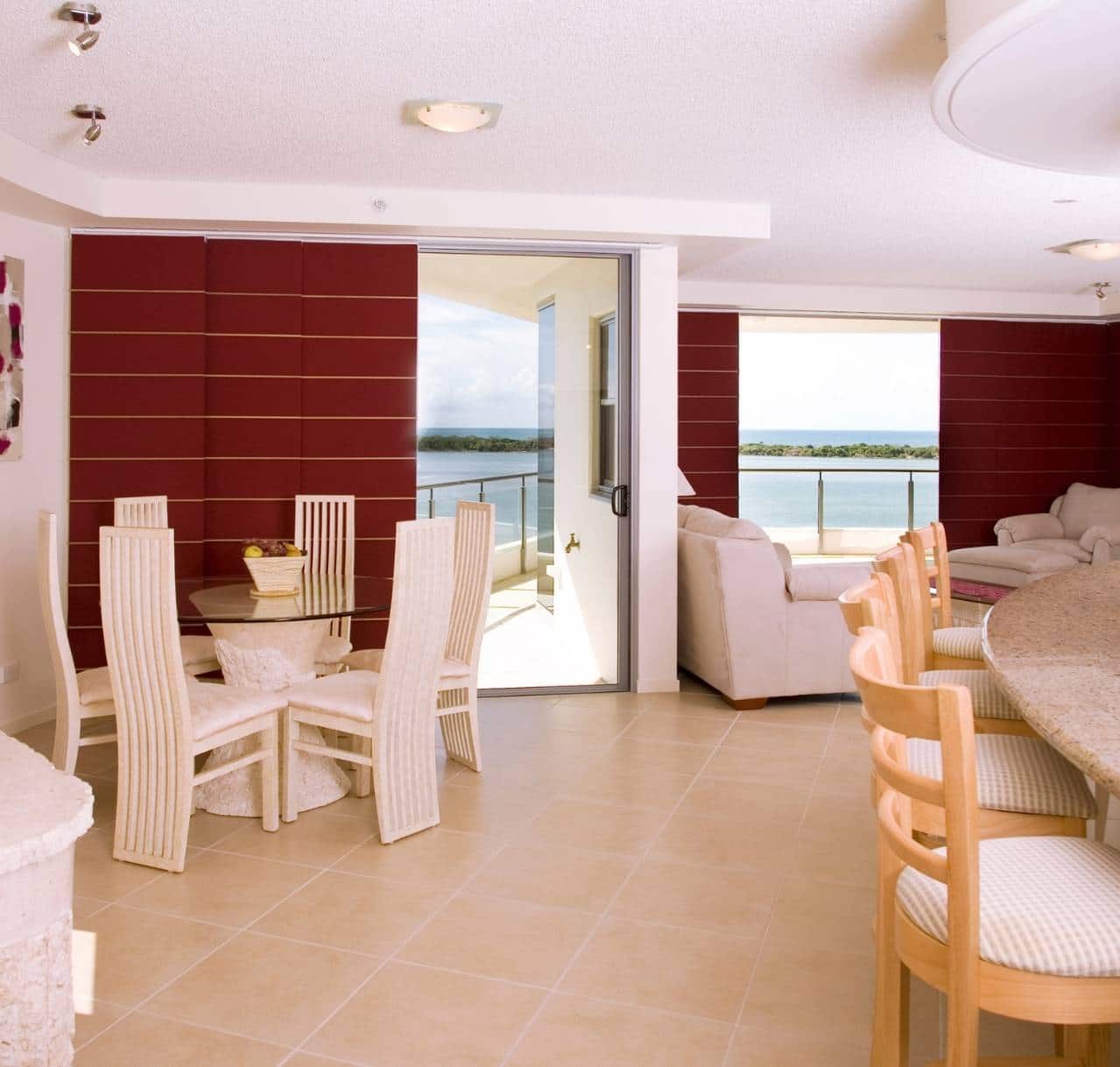
Inside the recess, or over it
Where the blind is mounted changes how it looks and how much light gets around it. It is worth deciding deliberately rather than leaving it to the day of installation.
| Consideration | Inside or recess mount | Outside or face mount |
|---|---|---|
| Where it sits | Inside the window recess | In front of the opening, overlapping the frame |
| How it looks | Contained and streamlined, with the frame still visible | Covers more of the wall, and hides an awkward recess |
| Light at the edges | There is always some gap at the sides | Generally less light around the edges |
| What it needs | Enough recess depth for the blind and its clearances | Clear wall around the window, and no obstructions |
| Watch out for | Handles, winders and deep architraves | Where the blind lands relative to skirting and furniture |
Which one should you choose?
If the recess is deep enough and you like seeing the window frame, fitting inside gives the neater, more contained result. If you want to lose as little light as possible around the edges, or the recess is shallow, uneven or unattractive, fitting over the front usually works better.
Bedrooms are where this matters most, because face fitting a blockout blind generally gives you better coverage than fitting it inside a recess. It is the sort of decision a measure sorts out in a minute once someone is looking at the actual window.
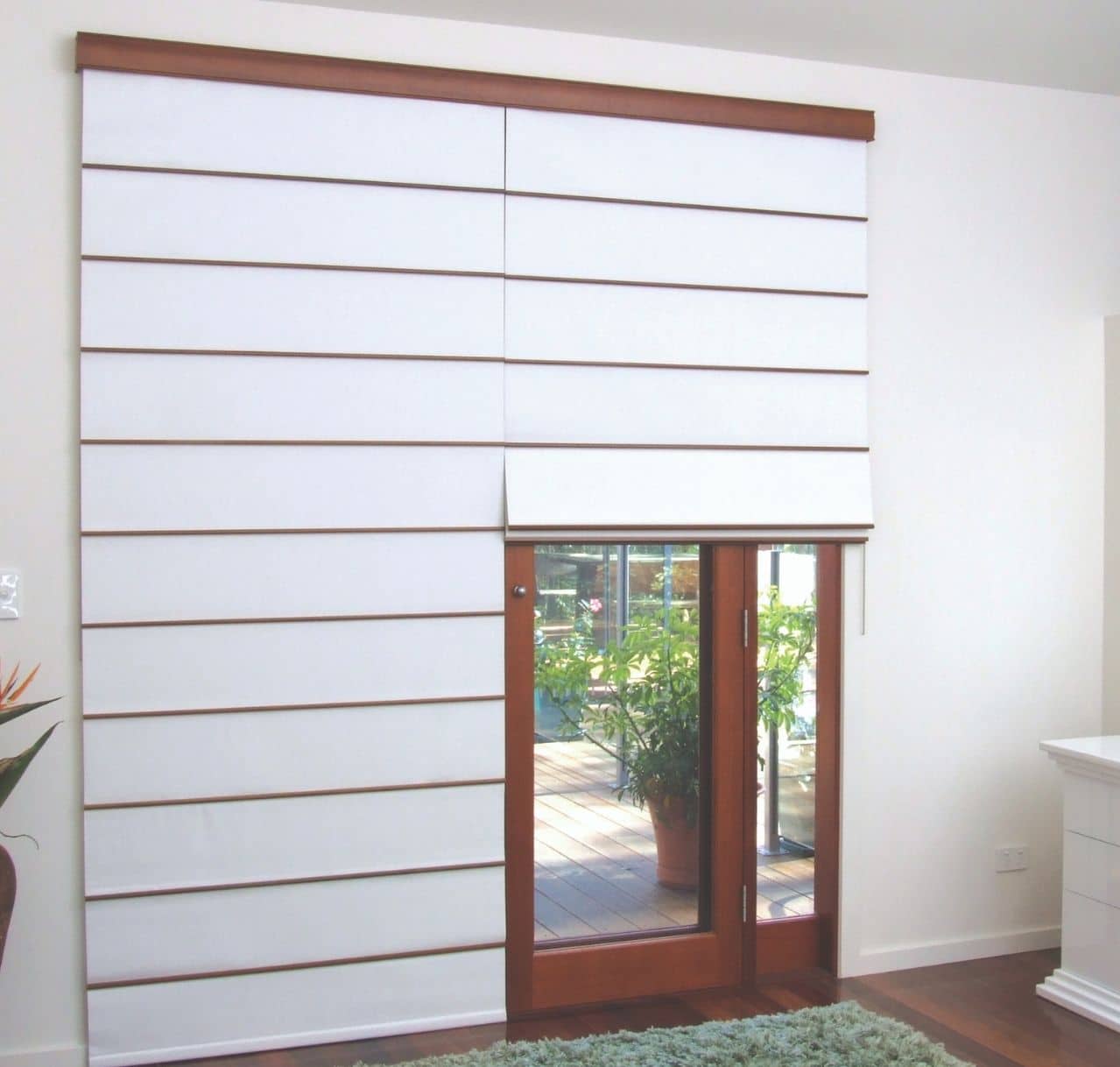
Motorised blinds
A motorised blind replaces or supplements the manual control with a powered mechanism. It is available on selected systems rather than on everything, so it is worth raising early if it matters to you.
When it is worth it
- Large or heavy blinds
- Windows that are difficult to reach
- Blinds you open and close every single day
- A bank of blinds you want moving together
- Accessibility
- A home automation project already under way
When it is not
For a small window you reach easily and adjust occasionally, a manual blind does the job perfectly well. Motorisation earns its place on the windows you actually operate, not on all of them.
What to confirm
Which systems can be motorised, what controls are available, whether the motor is battery, rechargeable or hardwired, what it needs at the window, and what it will and will not connect to. All of that depends on the product, so confirm it with your local Andersens before planning around it.
Ask before you assume. Not every blind can be motorised, and compatibility with a particular remote, app or smart-home system varies by motor. Have that conversation at the quote, while the configuration can still change.
Choosing what it looks like
A blind covers a defined block of the wall, so its colour and texture change a room more than a small sample suggests. These are directions rather than rules, and what is available depends on the range at your local store.
| Direction | What to know |
|---|---|
| White and off-white | The versatile default. Watch the undertone: a cool white blind next to a warm white wall reads as the wrong colour rather than a lighter one. |
| Beige and natural | Warm neutrals sit comfortably with timber and hybrid floors, natural stone, warm-white walls and coastal or organic interiors. |
| Grey and greige | Works well in contemporary rooms. Compare the undertone against the flooring and the walls, because grey swings warm or cool very easily. |
| Dark fabrics | Makes the window a deliberate feature and gives strong contrast. Consider what it does to the brightness of the room and how much larger it makes the window read. |
| Texture | Adds interest to a roller or roman blind without committing to a pattern, and it is easier to live with long term than a strong print. |
Matching blinds to your flooring
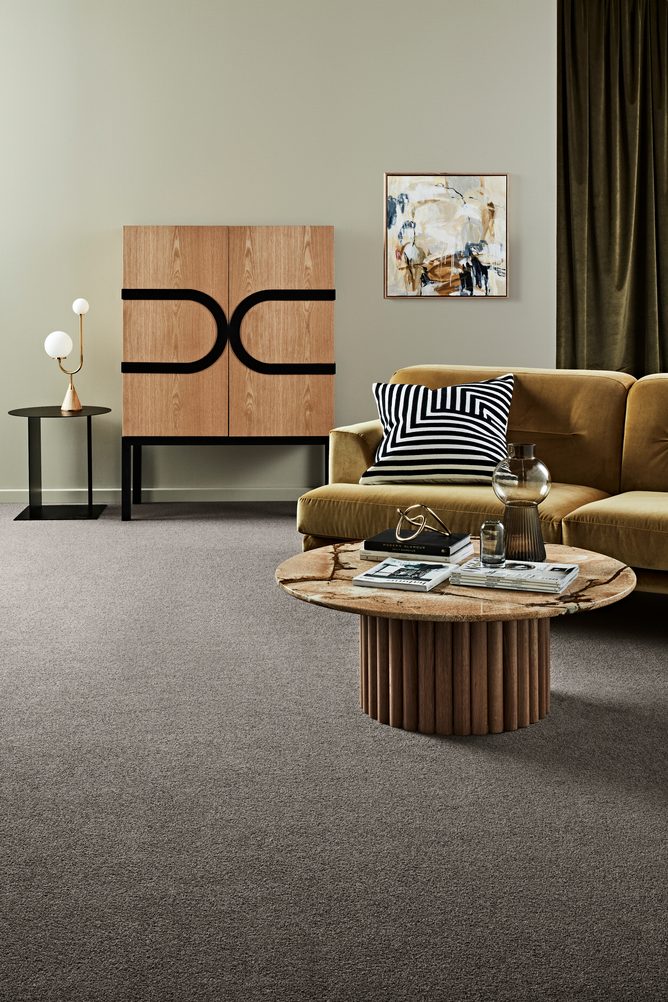
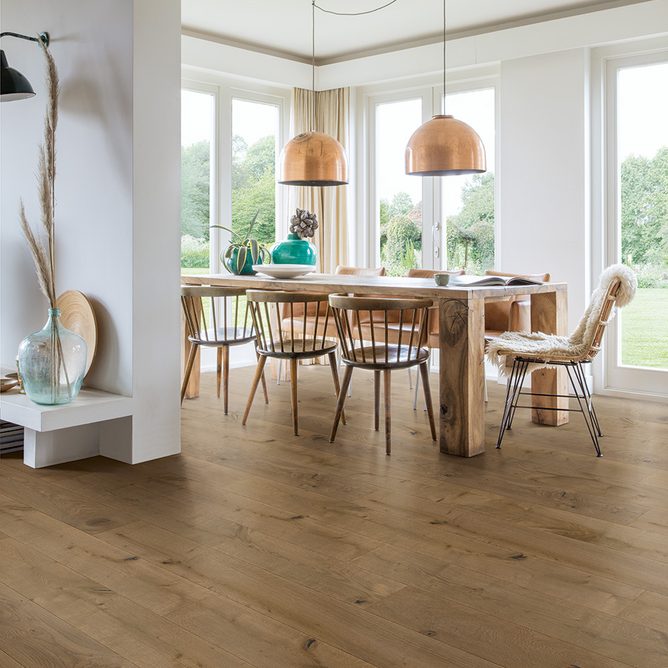
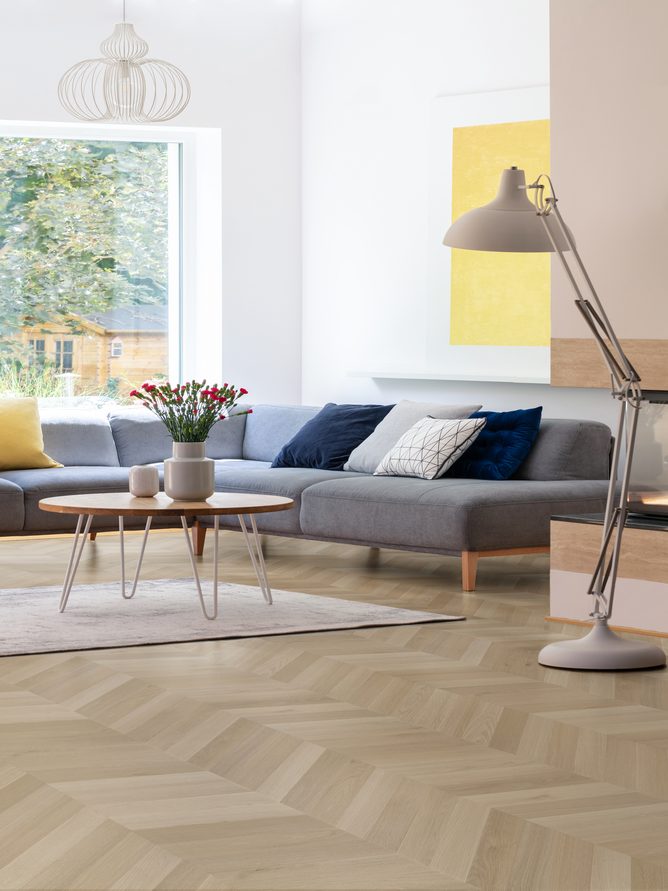
Blinds do not need to match the floor. Compatible undertones do more work than matching colours. Warm timber floors sit well with warm whites and natural neutrals. Pale oak-look floors take soft white, beige and greige. Dark floors are often balanced by a lighter blind. Neutral carpet gives you the most freedom to bring in colour or texture at the window.
This is the one thing worth doing at Andersens rather than anywhere else. Flooring and window furnishings usually get chosen months apart, and they end up in the same room looking at each other.

Look at samples properly
Fabric is the easiest thing on this page to get wrong from a photograph. See a sample in the room it is going in, in daylight and again at night, held up against the window as well as flat, and beside your flooring, wall colour, cabinetry and furniture. How much light passes through it is only obvious with the window behind it.
Find the perfect fit for your home.
Whether you are renovating a single room or updating your entire home, discover quality flooring and window furnishings for every style, space and budget.
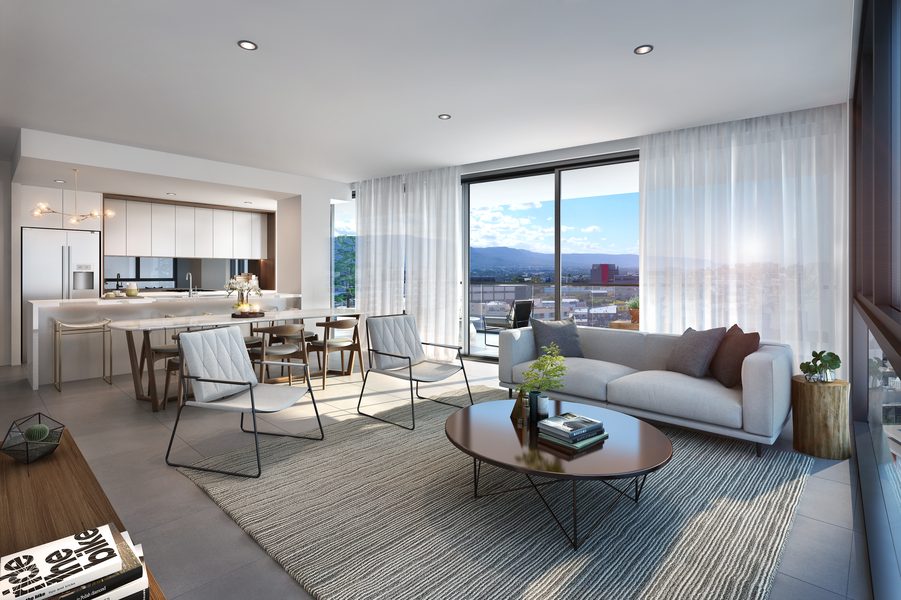
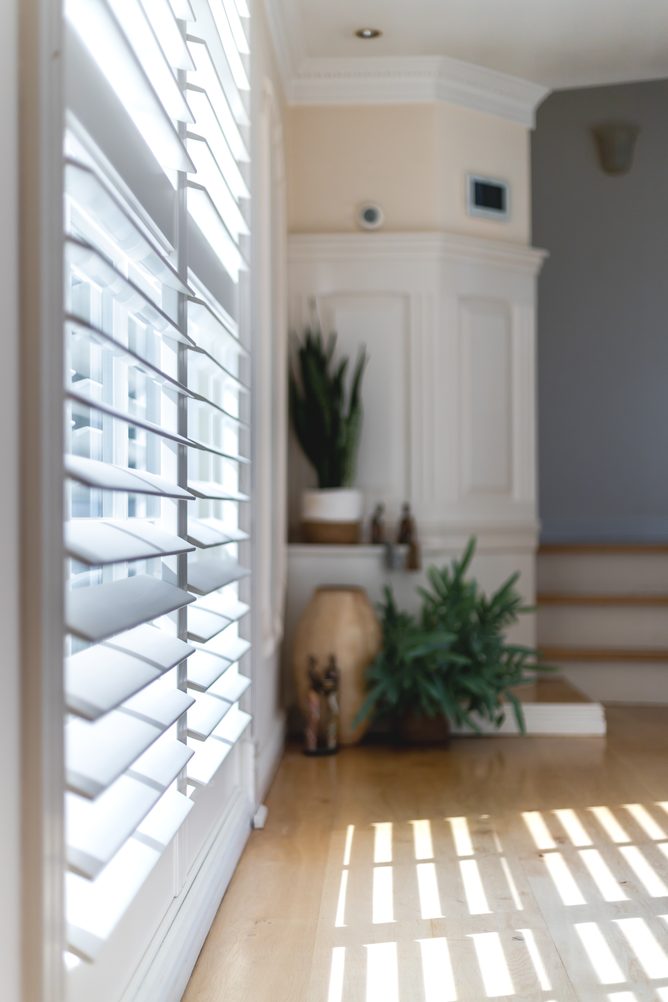
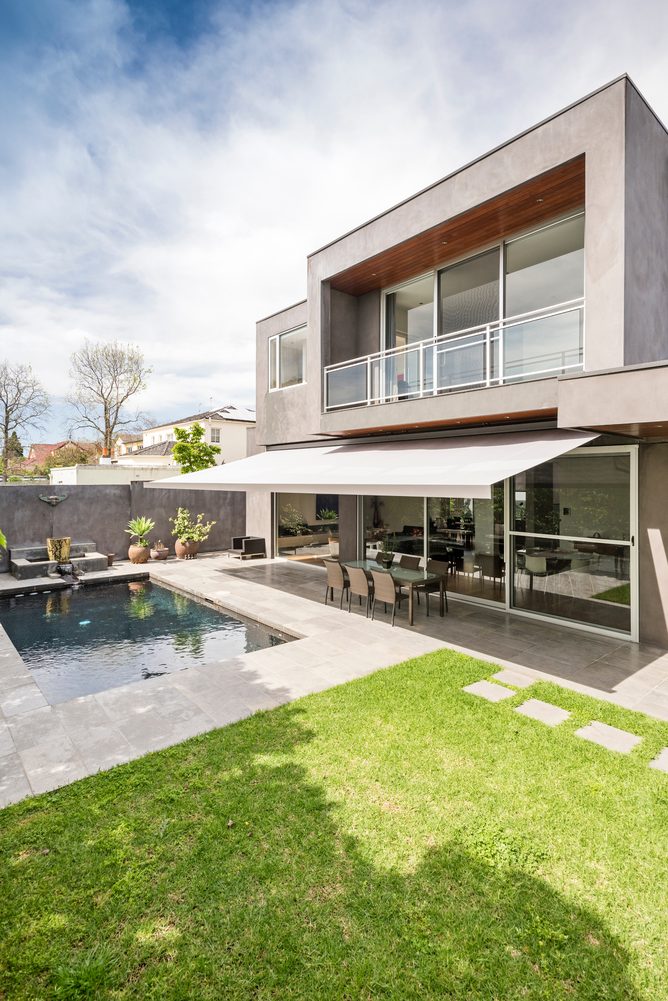
Find blinds near you
Choosing blinds is much easier once you can handle the fabric and see how much light it lets through. Visit your local Andersens to look at what is available, talk through the types, blockout and sunscreen options, colours, measuring, installation and motorisation where it is offered, and find out which window furnishing services run in your area. Ranges and services vary by store, so it is worth calling ahead.
Search by suburb or postcode
Find your nearest Andersens and its opening hours, or arrange a measure and quote.
Keep looking

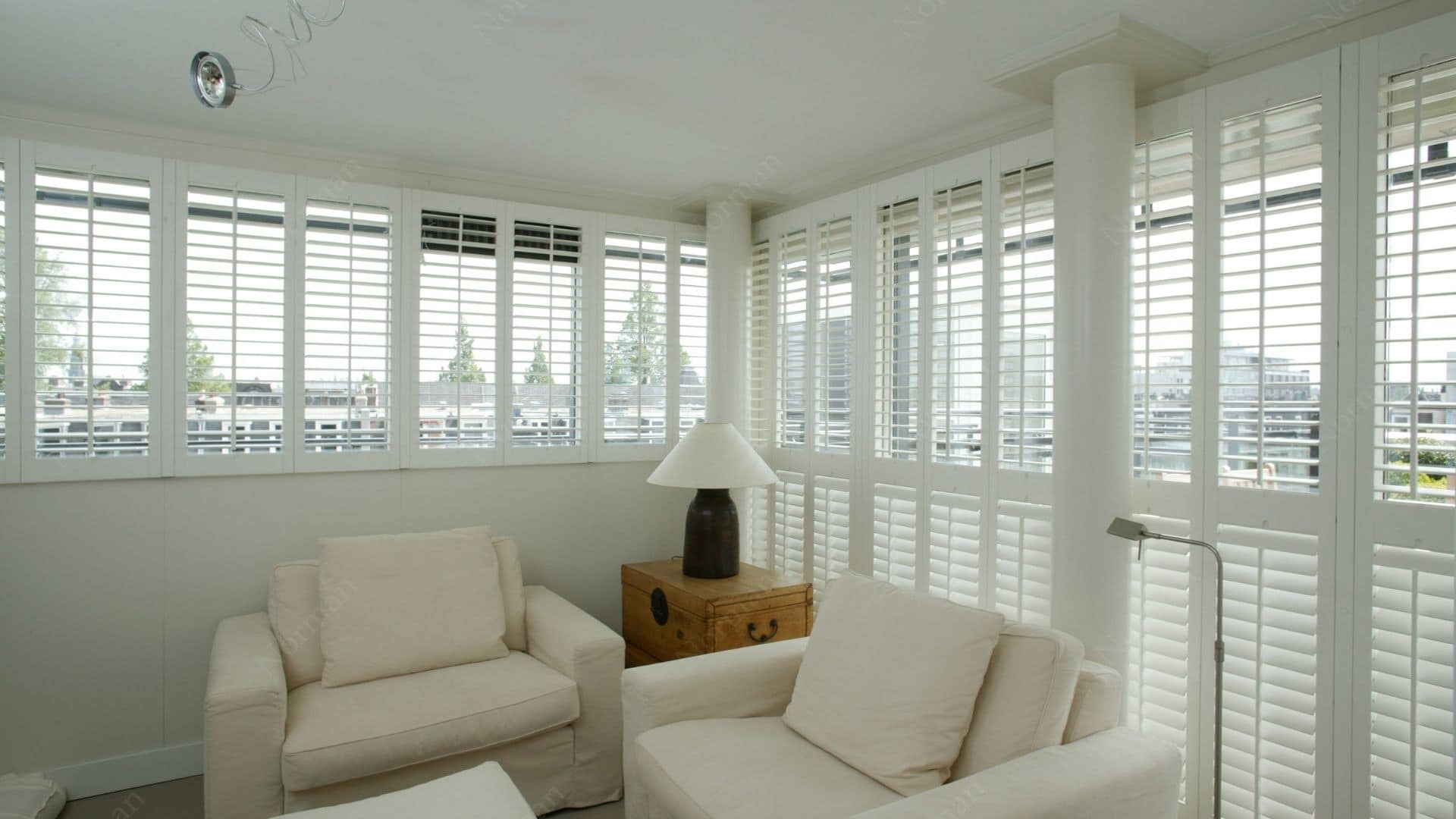
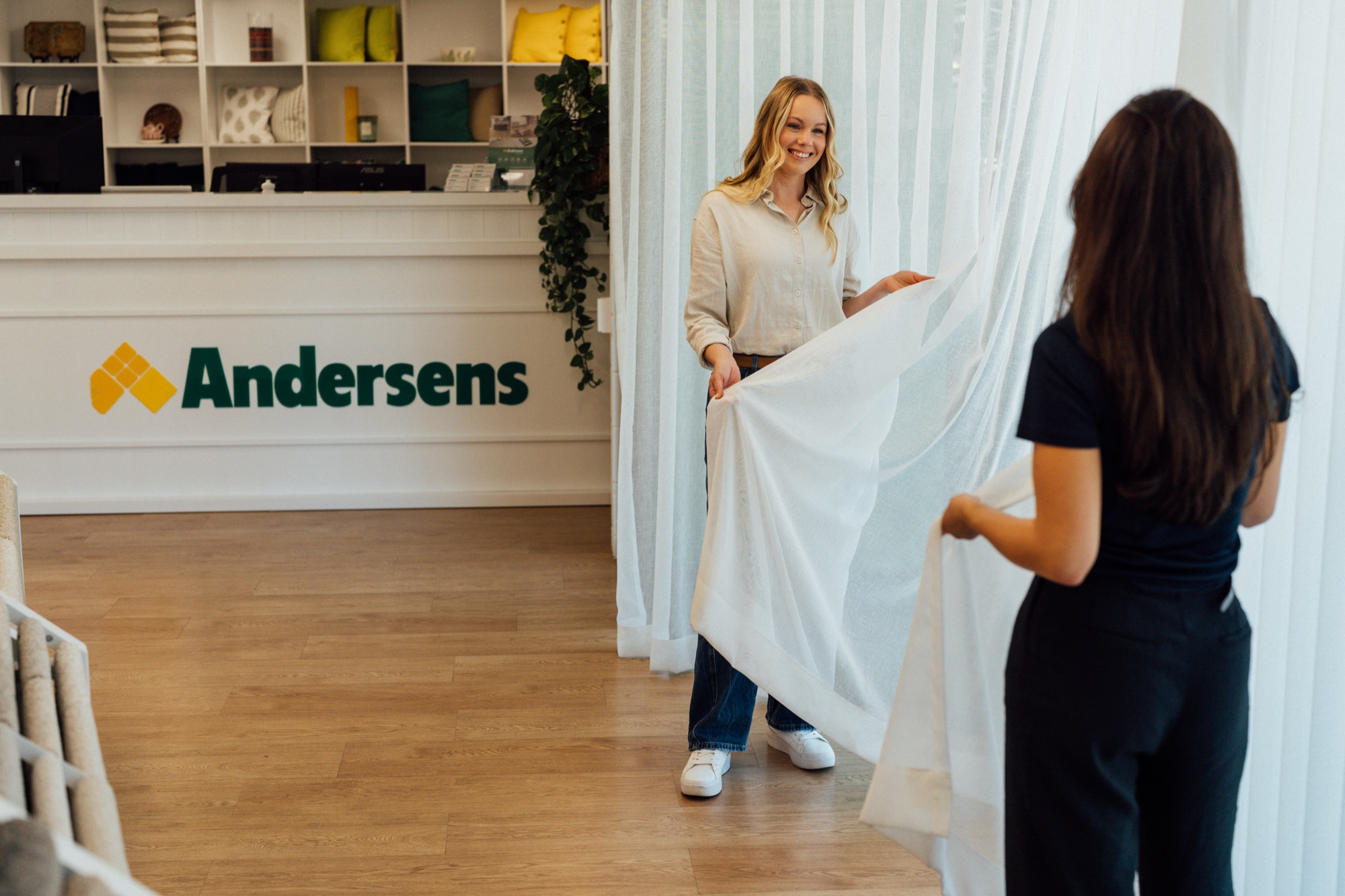

Blinds and flooring, in one conversation
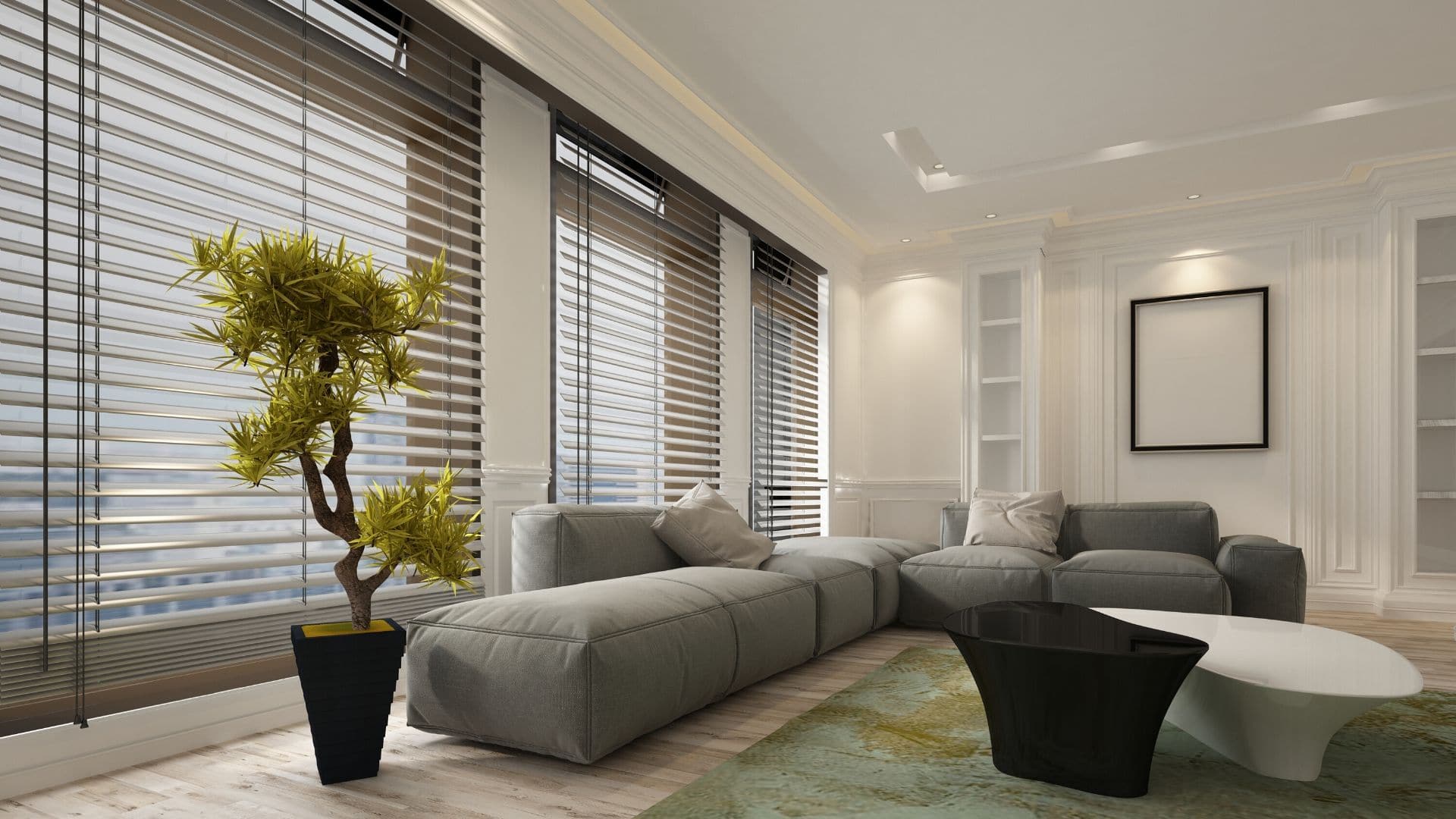
Advice in your own light
A blind behaves differently depending on which way the window faces, how big the room is and what is already in it. Andersens offers a free, no-obligation in-home measure and quote for window furnishings, including seeing samples in your own space.
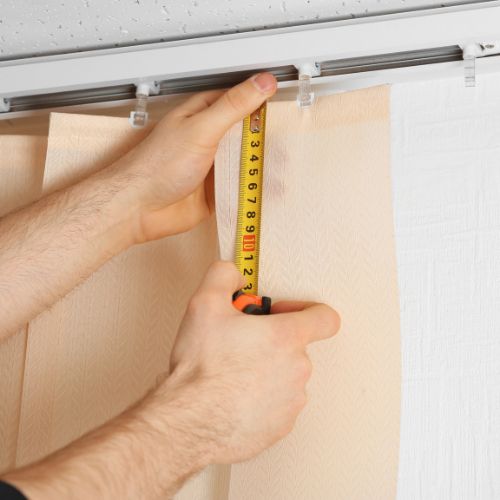
Custom-made and installed
Window furnishing orders are custom-made for your windows, and professional installation is available. That matters most on wide openings, sliding doors and several windows that need to line up.
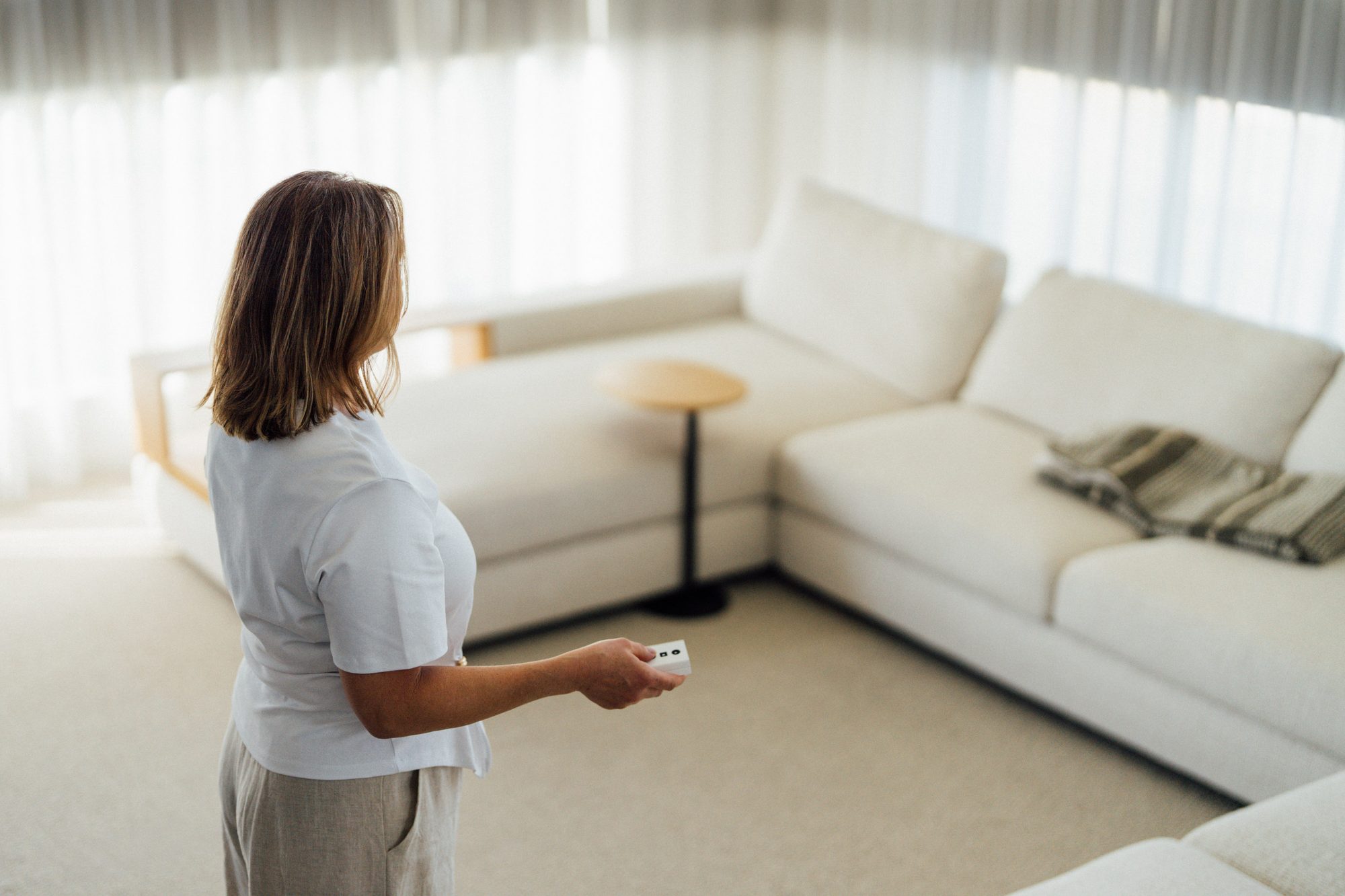
The whole room, not one surface
Blind colour and texture have to work with the flooring, the rugs, the walls and the light. Choosing them in the same place as your floor is the practical version of that.
The guarantees Andersens publishes, and the eligibility and conditions that apply to each of them, are set out on the guarantees page.