
Awnings, outside the glass
An awning works before the sun reaches your window. That is the whole difference between shading a room from outside and managing the light after it has already come through the glass.
Whether the problem is afternoon sun through a living room window or a patio you cannot use until five o’clock, your local Andersens can look at the opening, the orientation and what the awning has to be fixed to, then put a quote together.
Windows, patios, decks, balconies and alfresco areas
Start with the problem
What an awning actually does
An awning is an exterior shading system fitted above, beside or in front of a window, a door or an outdoor area. Depending on the system it projects outward over a space, drops vertically in front of an opening, runs inside guide tracks, extends and retracts, and is operated either by hand or by a motor.
-
It works on the outside
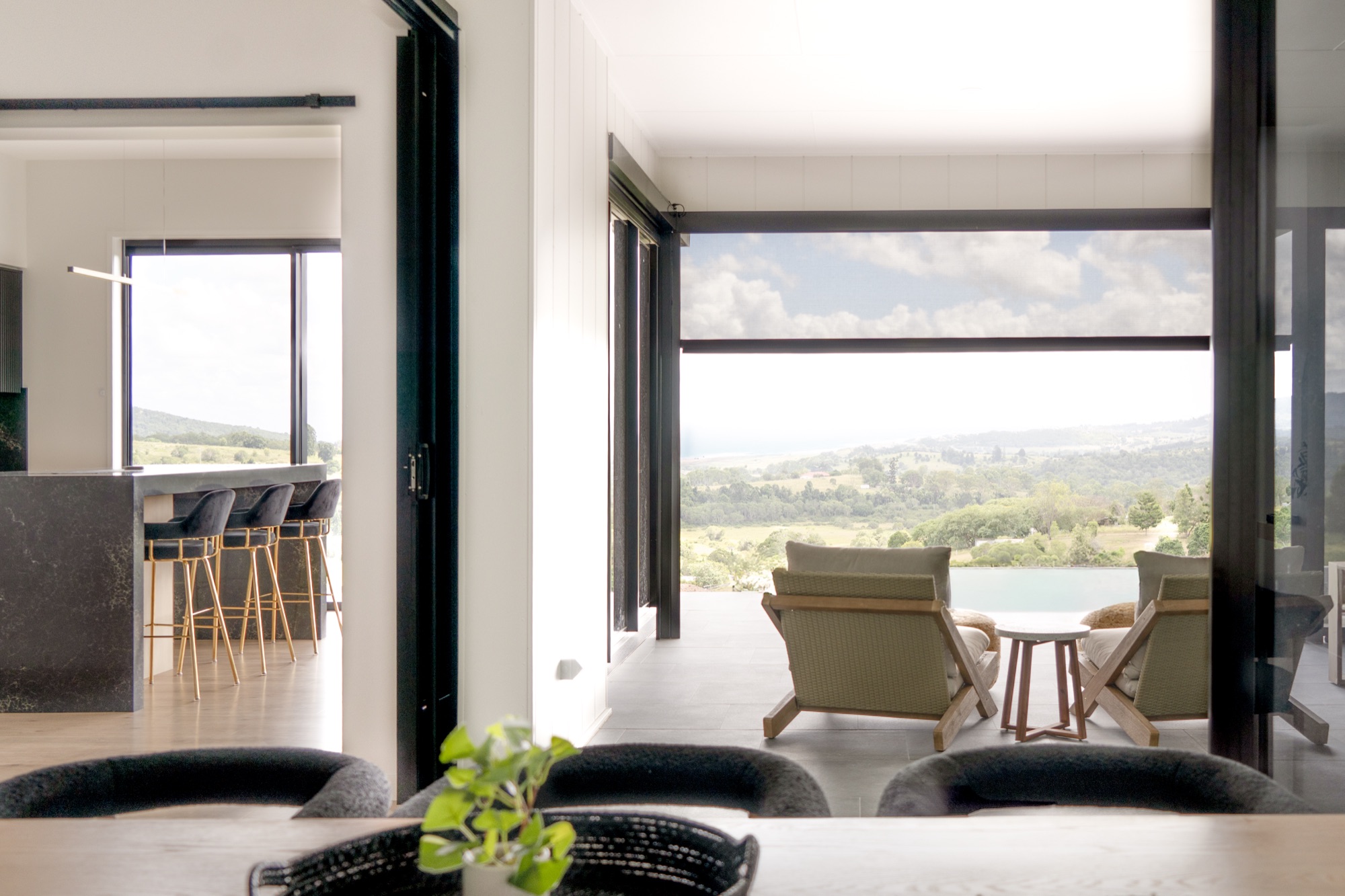
This is the part worth understanding. An exterior awning can intercept direct sunlight before it reaches the glass. An internal blind or curtain manages that same light after it has already come through the window. On a genuinely sun-exposed opening, that difference in position matters.
-
It is not one product
A window awning and a folding arm awning are solving different problems and are barely the same object. Working out whether you are shading a window or an outdoor area answers most of the rest.
-
It lives outside
Which means weather is part of the specification, not an afterthought. Wind and rain guidance is set per system, and that is a question to ask early rather than at the end.
| Consideration | Awnings |
|---|---|
| Where it sits | Outside the glass, or across an outdoor opening |
| Main job | Shade and solar control before sunlight reaches the window |
| Common applications | Windows, doors, patios, decks, balconies and alfresco areas |
| Operation | Manual or motorised, depending on the system |
| Fabric | Exterior fabrics, which vary by product |
| Privacy | Daytime screening from some vertical systems, and it changes after dark |
| Weather exposure | Product dependent. Wind and rain guidance is set per system |
| Installation | Needs suitable structure and fixing points, assessed on site |
| Worth considering for | Sun-exposed windows and outdoor living areas |
A window, or an outdoor area
Almost every awning enquiry is one of these two. Working out which one you have narrows the product list before you have to learn a single piece of terminology.
I need to shade a window
One or more windows are letting in too much sun, heat or glare, and you want to deal with it before it reaches the glass.
- Window awnings, fitted above or in front of the opening
- Straight drop systems that come down flat across the window
- Track-guided systems where the fabric runs in side guides
- An internal blind or curtain as well, where privacy after dark also matters
Which window, which direction does it face, and at what time of day is it a problem?
I need to shade an outdoor area
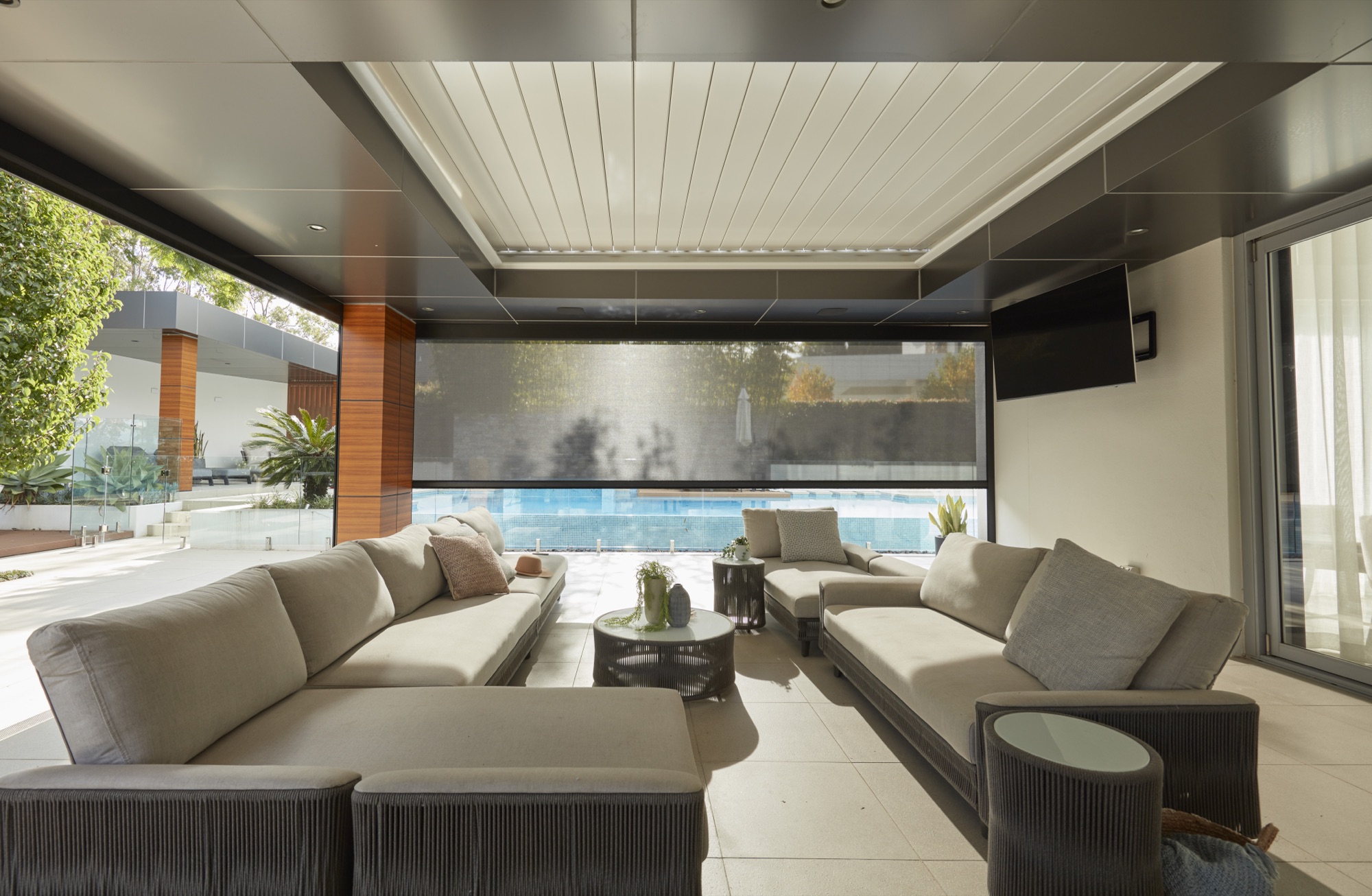
A patio, deck, courtyard, balcony or alfresco area is unusable at certain times because of sun, glare or exposure.
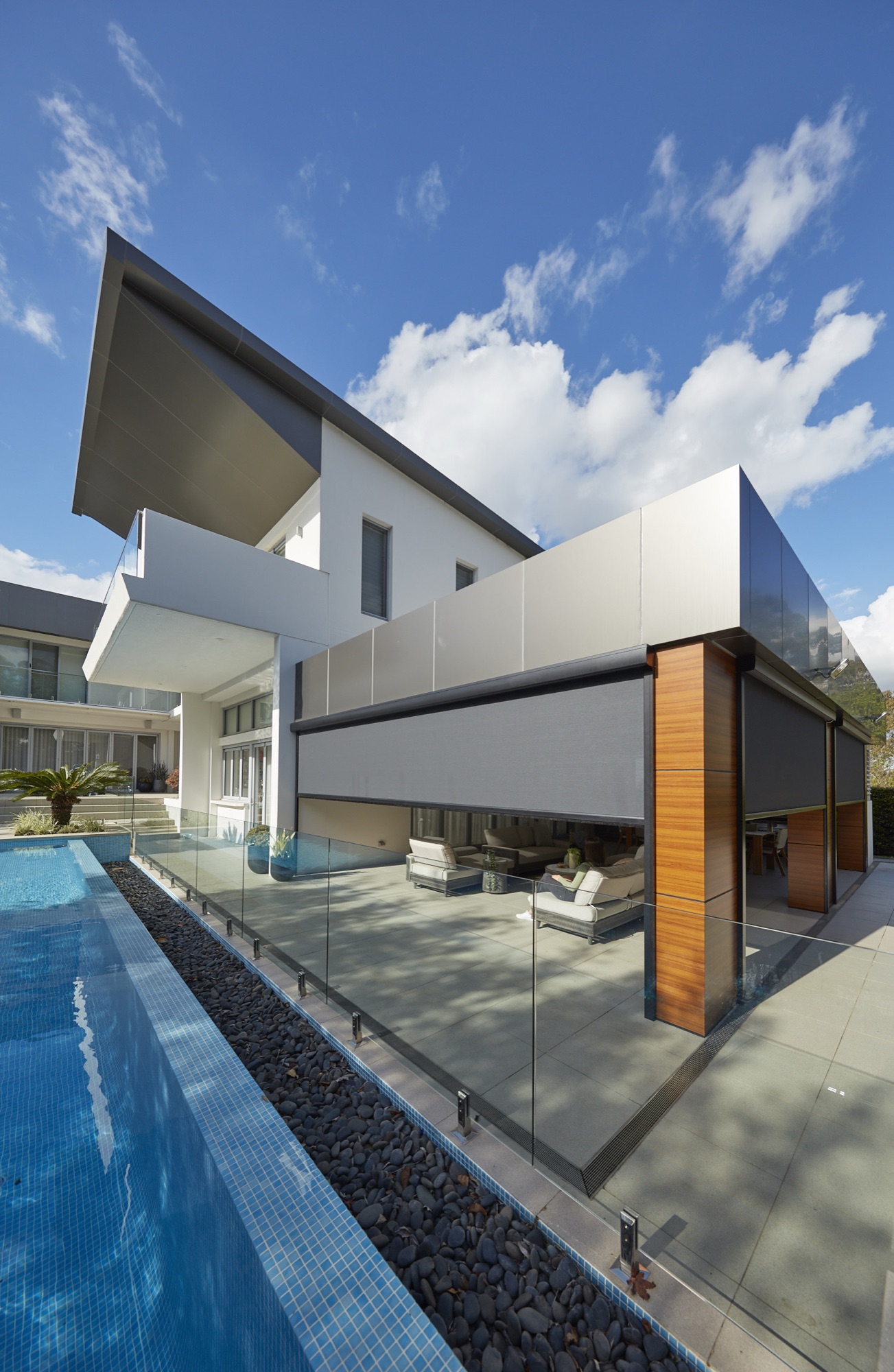
- Folding arm systems that project overhead without posts at the outer edge
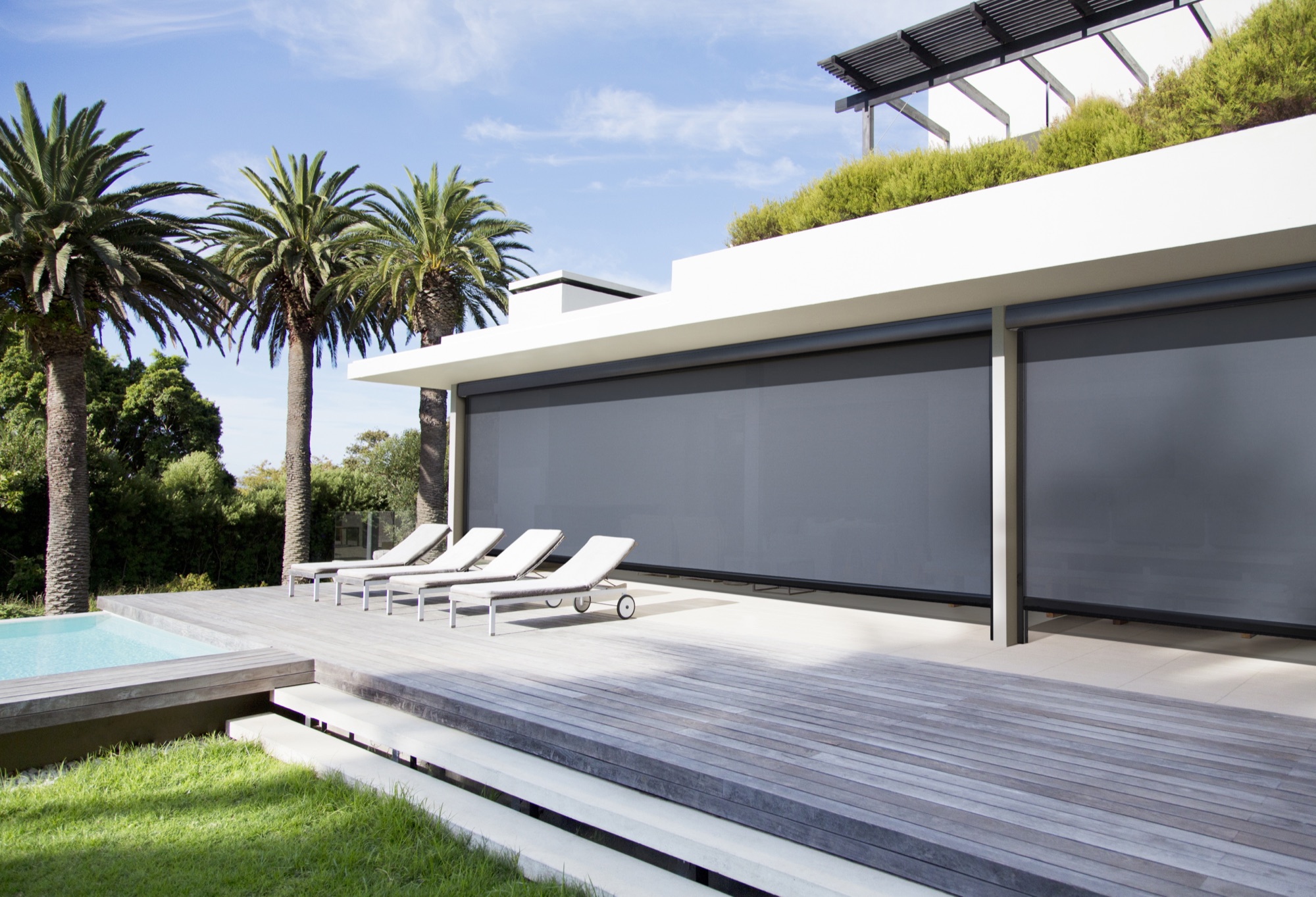
- Vertical systems that screen the open sides of a covered area
- A combination, where one gives overhead shade and the other closes in a side
- Retractable operation, so the area can be opened right up again
How big is the area, what is it fixed to, and how exposed is it?
| Consideration | Window awnings | Folding arm awnings |
|---|---|---|
| Main application | Individual windows and openings | Patios, decks and outdoor areas |
| Direction | Vertical, or projected close to the window | Projects horizontally outward |
| Area shaded | The window and the glass around it | A larger outdoor footprint |
| Retraction | Depends on the system | Usually a core part of how it works |
| Screening | Possible with some systems | Not normally the point of it |
| Structure needed | Depends on the system and the wall | Significant fixing requirements can apply |
| Choose it when | Solar control at a window is the problem | Outdoor living shade is the problem |
The different kinds of awning
These are the formats you will come across while you are researching. Which of them your local Andersens can supply is worth confirming when you book, because the range varies by store.
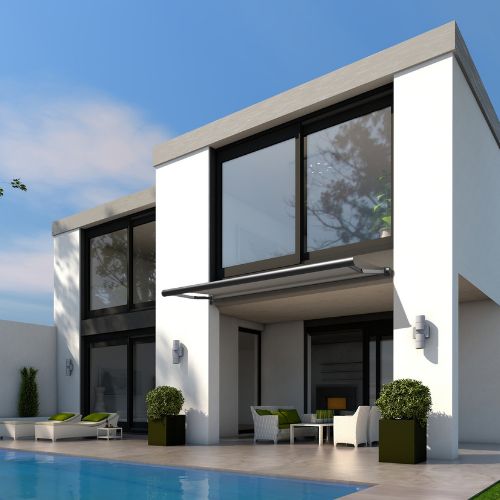
Window awnings
Shade an individual window from the outside. Depending on the system they drop vertically, project outward on arms, or run in side guides.
Bedrooms, living rooms, home offices, street-facing and west-facing windows.
The right projection or drop depends on the window height and the sun angle, not just the window width.
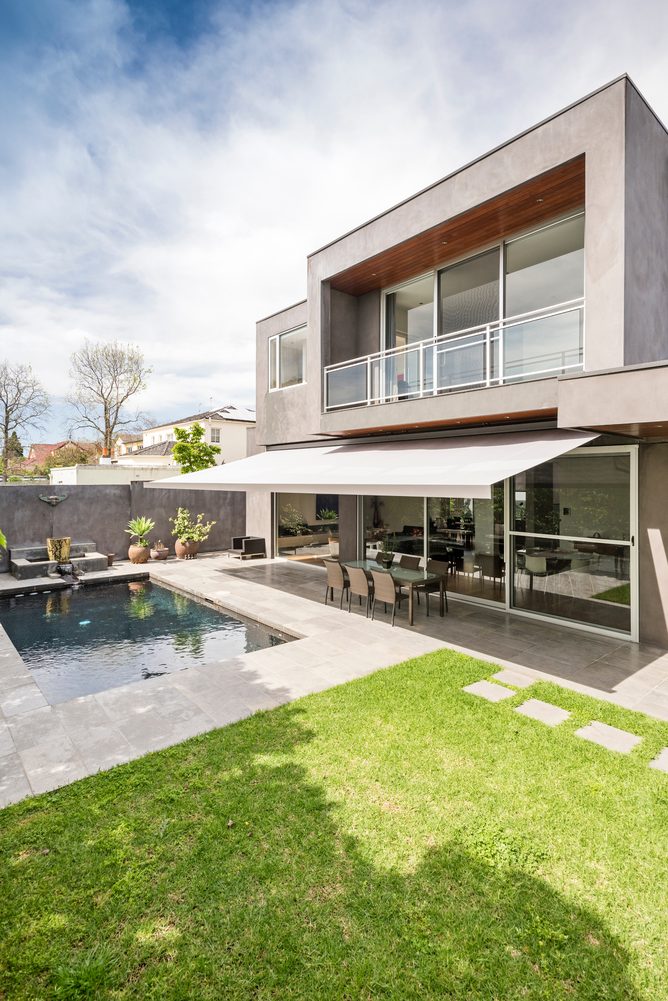
Folding arm awnings
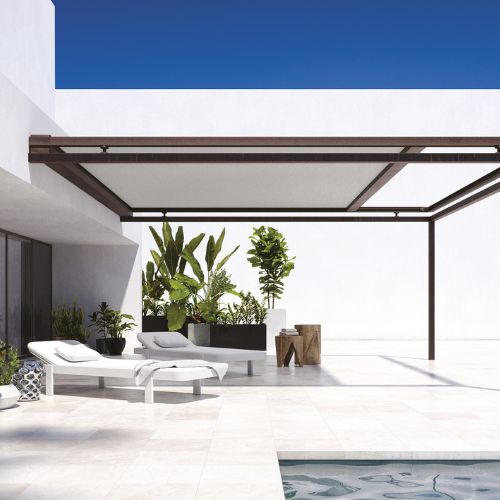
Extend horizontally from a wall on articulated arms to put shade over an area, then fold back towards the building when they are retracted.
Patios, decks, courtyards and outdoor dining, where you want overhead shade without permanent posts at the outer edge.
These place real load on whatever they are fixed to. Dimensions, fixing points and structure need professional assessment before you choose one.
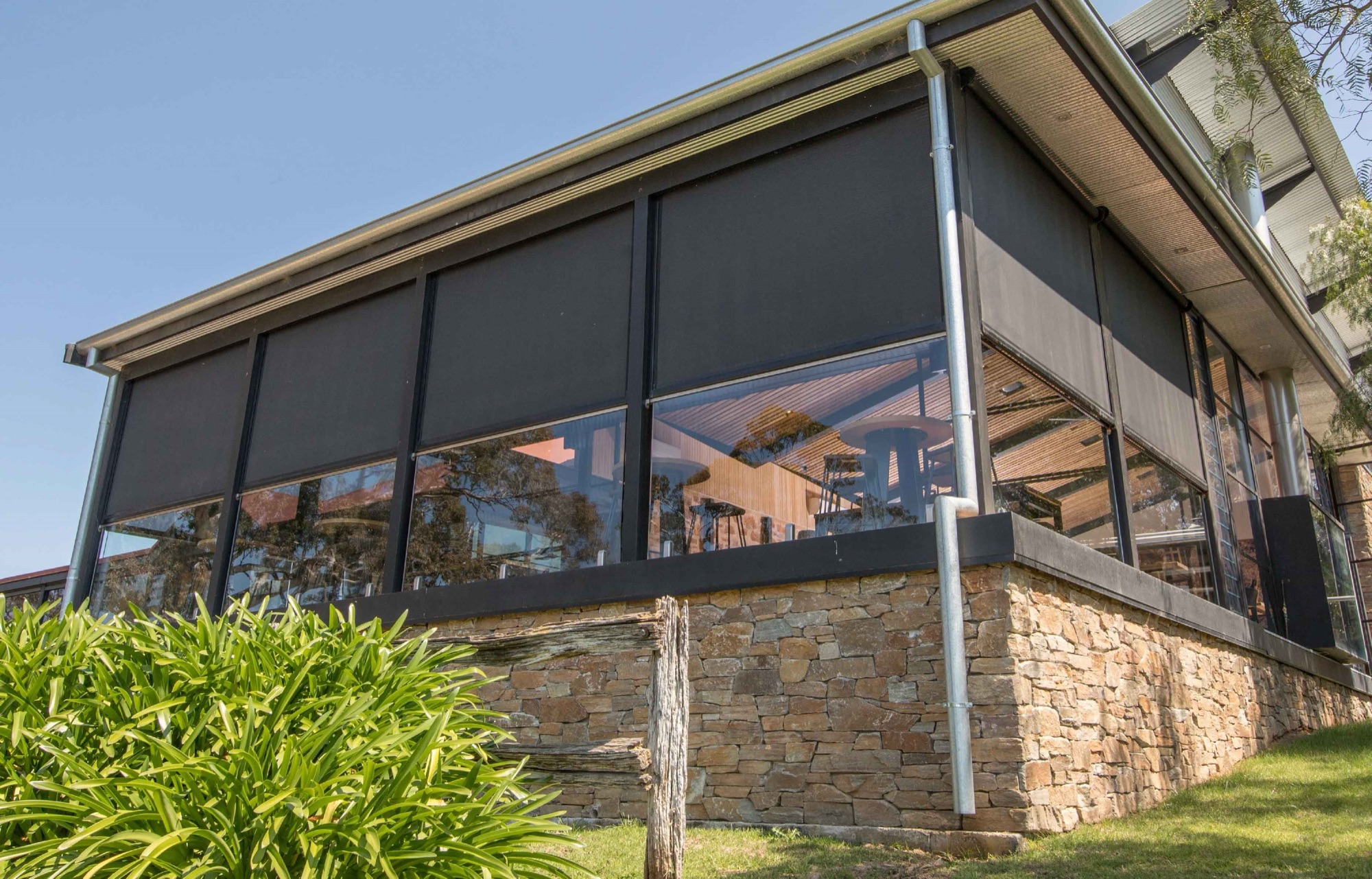
Straight drop awnings
Move vertically down in front of a window, balcony or opening to give a flat exterior covering.
Sun screening, glare reduction and daytime screening at a window or across a verandah.
How the sides are held varies between systems, and that is what decides how the fabric behaves in a breeze.
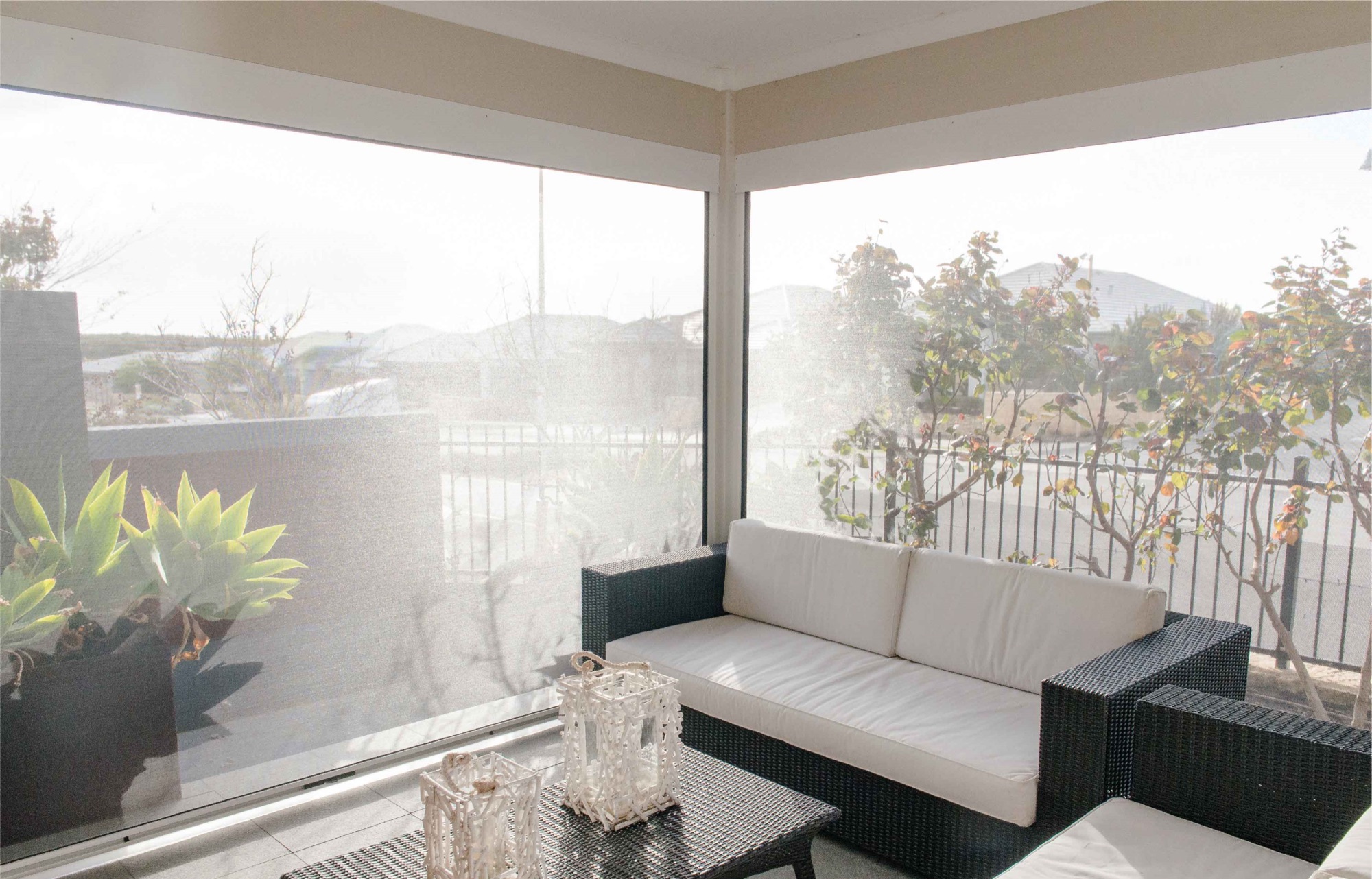
Track-guided awnings
A vertical system where the fabric runs in side guides rather than hanging free, so the edges stay contained.
Balconies, larger openings, outdoor entertaining areas and side screening.
Terminology varies between suppliers, and some of these are sold as outdoor blinds rather than awnings.
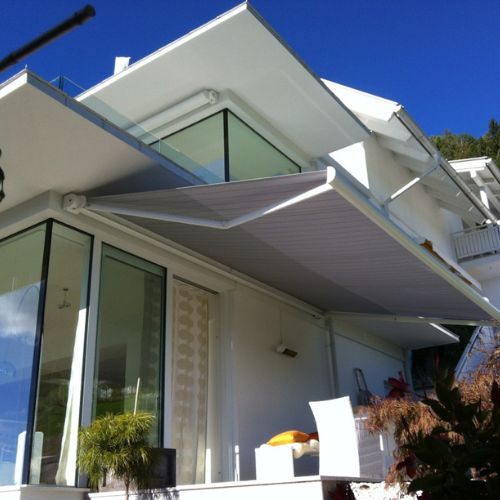
Pivot arm awnings
Hold the fabric away from the window on side arms, so there is a gap between the fabric and the glass.
Windows where you want shade but still want air moving and some outlook underneath.
The projection is what does the work here, so it is worth looking at from inside as well as out.
Fixed awnings
Stay permanently extended rather than retracting.
Places where shade is wanted all the time and nobody wants to operate anything.
Consistent shade, less flexibility. You cannot open it up for winter sun.
What you get for shading outside
Awnings are bought to solve something specific. These are the reasons people actually give, with the parts that depend on the product left as questions to ask rather than promises made here.
Direct sun on the glass
Shading the outside of a window reduces the direct sunlight reaching the glazing, which is the most useful thing an awning does. It comes up most on west-facing windows, rooms that get hit in the afternoon, large glazed areas and bedrooms exposed to early or late sun. How much difference it makes to the room depends on the window, the awning and the installation, so it is worth talking through for your particular opening rather than assuming a figure.
Glare
Glare is a direct sunlight problem, and dealing with it outside the glass is the cleanest fix. It shows up on televisions, monitors, dining tables and anywhere you are looking towards the window rather than away from it.
Outdoor areas that go unused
A patio, deck, courtyard or balcony that is unusable for part of the day is the most common trigger for an awning enquiry. Overhead shade from a projecting system, or a vertical system closing in the exposed side, can change when the space actually gets used.
Daytime screening
Some vertical systems put a degree of screening between an outdoor area and the street or the neighbours. How much depends on how open the fabric is, the light levels and the direction you are looking from. It works during the day, when it is brighter outside than in, and it works much less well once the lights are on after dark.
Retract when you do not want it
A retractable system means you can change your mind by season, by time of day or by what you are doing out there. That is the practical advantage over a permanent shade structure, and it is worth weighing against the fact that a fixed structure never has to be operated.
How the house looks
An awning is on the outside of the building, so it is part of the exterior in a way that an internal blind never is. Fabric, colour, fascia and frame all read from the street, which is worth thinking about at the same time as the shade.
Worth being clear about. An awning is a shade product first. Rain and wind performance vary from system to system and are not properties of awnings as a category. Open-weave fabric is daytime screening, not night-time privacy. Any heat or energy figure should come from verified product data for the exact system, not from a category page.
Manual or motorised
The honest test is not which is better, it is how often this awning will actually be operated and how easy it is to reach. Answer that and the decision usually makes itself.
Manual
Manual systems use a crank handle, a spring-assisted mechanism, a pull-down action or another control specific to the product. It is worth considering when the awning is easy to reach, the system is relatively small, it will not be adjusted often, and you would rather have less to go wrong.
Motorised
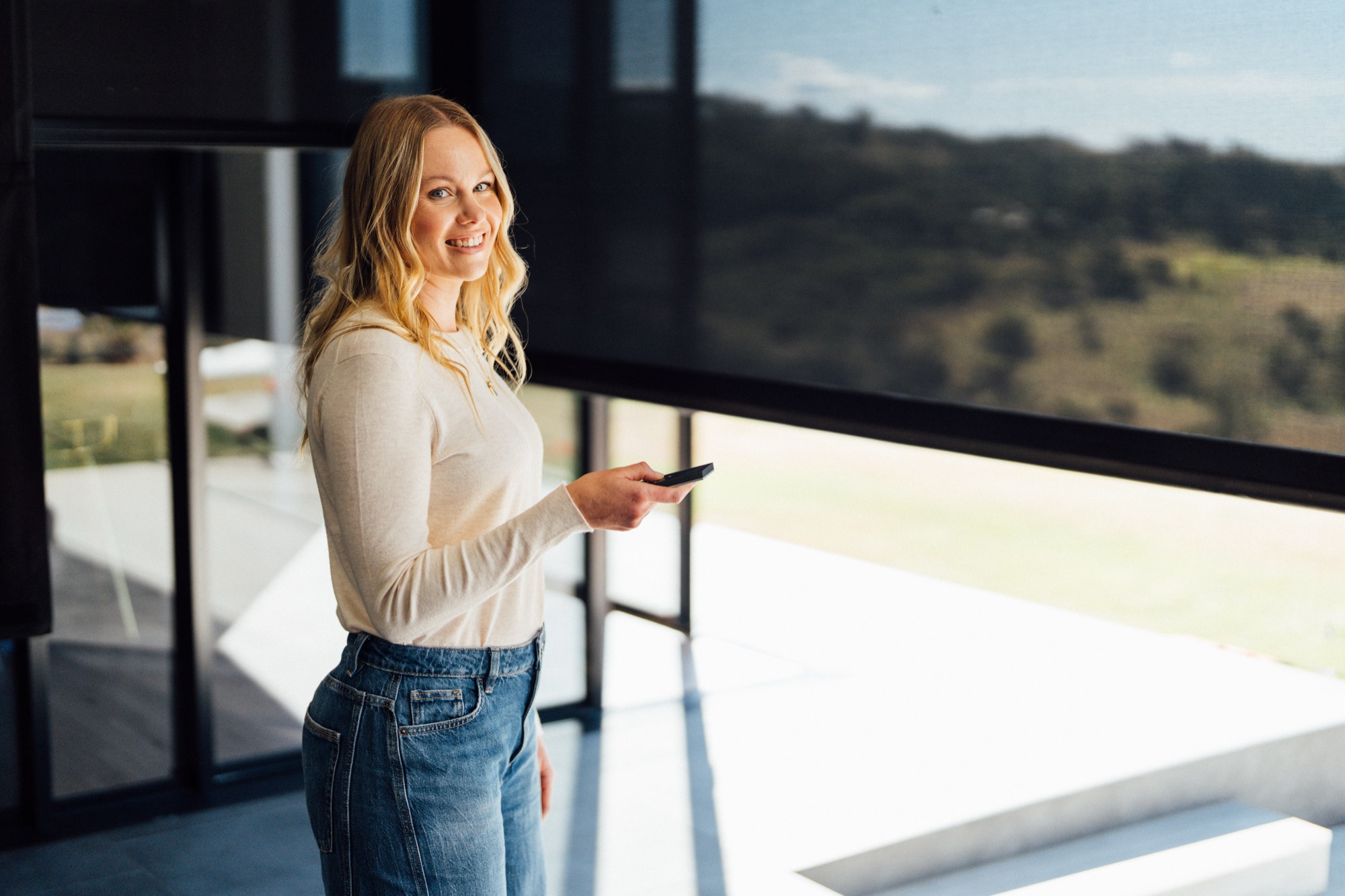
A motor extends, retracts or repositions the awning. It earns its place on large folding arm systems, high or awkward openings, several awnings that move together, anything adjusted daily, and where reaching a manual control is difficult. Controls can be a remote, a fixed wall switch or an app, depending on the system, and electrical work may be part of the job.
| Consideration | Manual | Motorised |
|---|---|---|
| How it moves | By hand, using the system’s own control | A powered motor extends and retracts it |
| Suits | Smaller systems that are easy to reach | Large, high or frequently adjusted systems |
| Effort | Fine occasionally, less so several times a day | The same regardless of size or height |
| Controls | The mechanism supplied with the system | Remote, wall control or app, depending on the system |
| Sensors | Not applicable | Sun and wind sensors on selected systems |
| Power | None needed | Depends on the system, and electrical work may apply |
| Cost direction | Generally the lower starting point | Generally higher, and it buys convenience |
On sensors. Sun and wind sensors are available on selected motorised systems and they are genuinely useful. They do not protect a system from weather damage, and the manufacturer instructions still apply whether a sensor is fitted or not.
How open, and what colour
Two decisions do most of the work here. How open the weave is, which sets how much you can see out and how much sun comes through, and the colour, which changes both the look of the house and what you can see through it.
| Direction | What to know |
|---|---|
| Open-weave and mesh | Screens sun while keeping some outward view and some airflow. How much of each depends on how open the weave is and how dark the colour is. |
| More opaque fabrics | Stronger visual screening and less outward view. Light transmission, view and water behaviour all depend on the specific material. |
| Light colours | A softer exterior. Sits well with light render, white frames, coastal and contemporary homes. |
| Dark colours | Stronger contrast and a more defined edge. Works with charcoal roofs, dark frames and modern facades. Darker fabric usually gives better outward view and cuts glare more. |
| Neutral colours | Beige, grey and natural tones sit across most Australian exterior palettes without dating quickly. |
| Striped fabrics | A more traditional awning look, where the range you are choosing from offers it. |
The privacy question, answered properly
Open-weave fabric works because one side is brighter than the other. During the day it is brighter outside, so you can see out and people outside see much less coming in. After dark, with the lights on inside, that reverses, and so does the privacy.
This catches people out, and it is worth knowing before you choose rather than after. If screening after dark matters, that is a job for a more opaque fabric, or for an internal blind, curtain or shutter working alongside the awning.
Look at samples outside
An exterior fabric is going on the outside of your house, so judge it there. Hold a sample against the actual facade, in full sun and again in shade, next to the window frames and the roof and gutter colours, from the street and from the garden, and then from inside looking out. That last one is the view you will have every day, and it is the one people forget to check.
Find the perfect fit for your home.
Whether you are renovating a single room or updating your entire home, discover quality flooring and window furnishings for every style, space and budget.
Find awnings near you
Awnings are offered through selected Andersens stores, and the range varies by location. Use the store finder to find your nearest showroom, then check that awnings are part of what they do when you get in touch. Your local team can talk through the format, the fabric, how it operates, what your site is exposed to, measuring and installation.
Search by suburb or postcode
Find your nearest Andersens and its opening hours, or arrange a measure and quote.
Keep looking
Window blinds
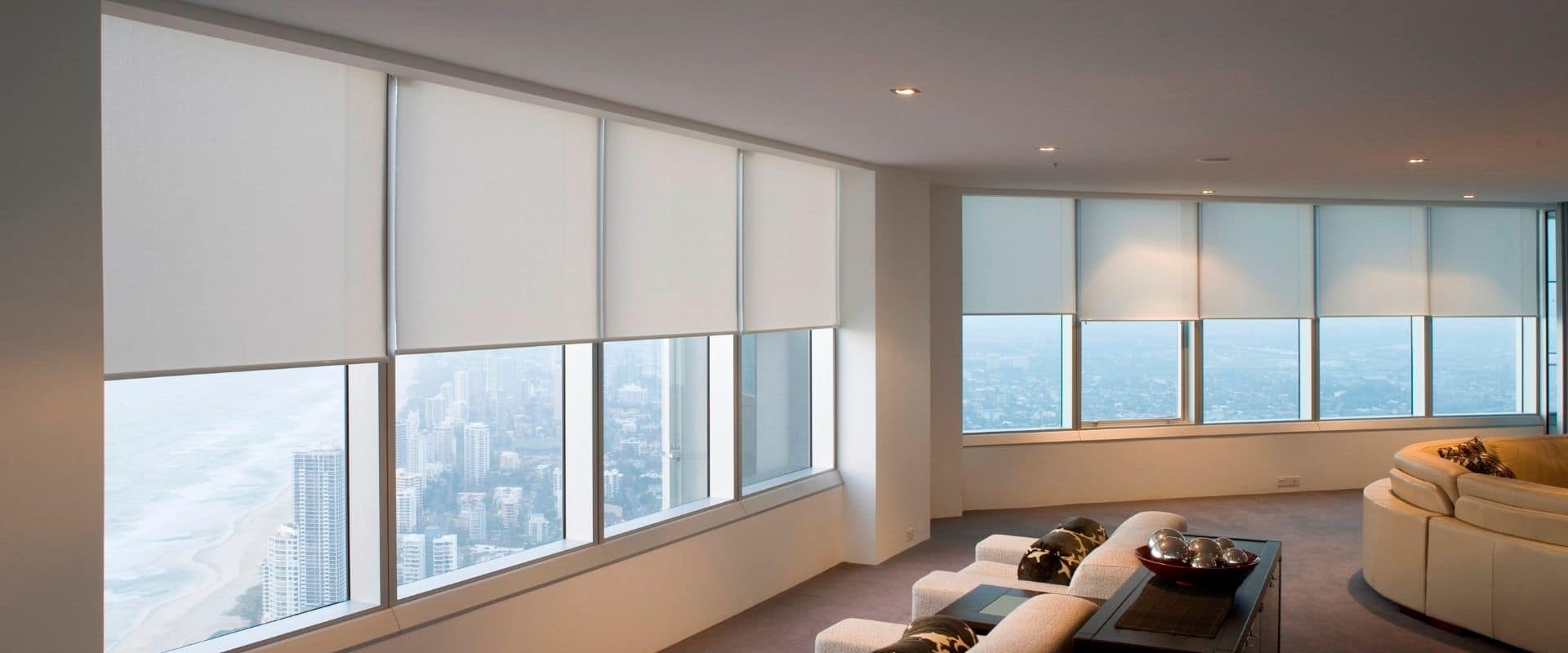
What goes inside the window, and how it works with exterior shading.
Curtains
Made to measure curtains for privacy, light control and softness.
Shutters
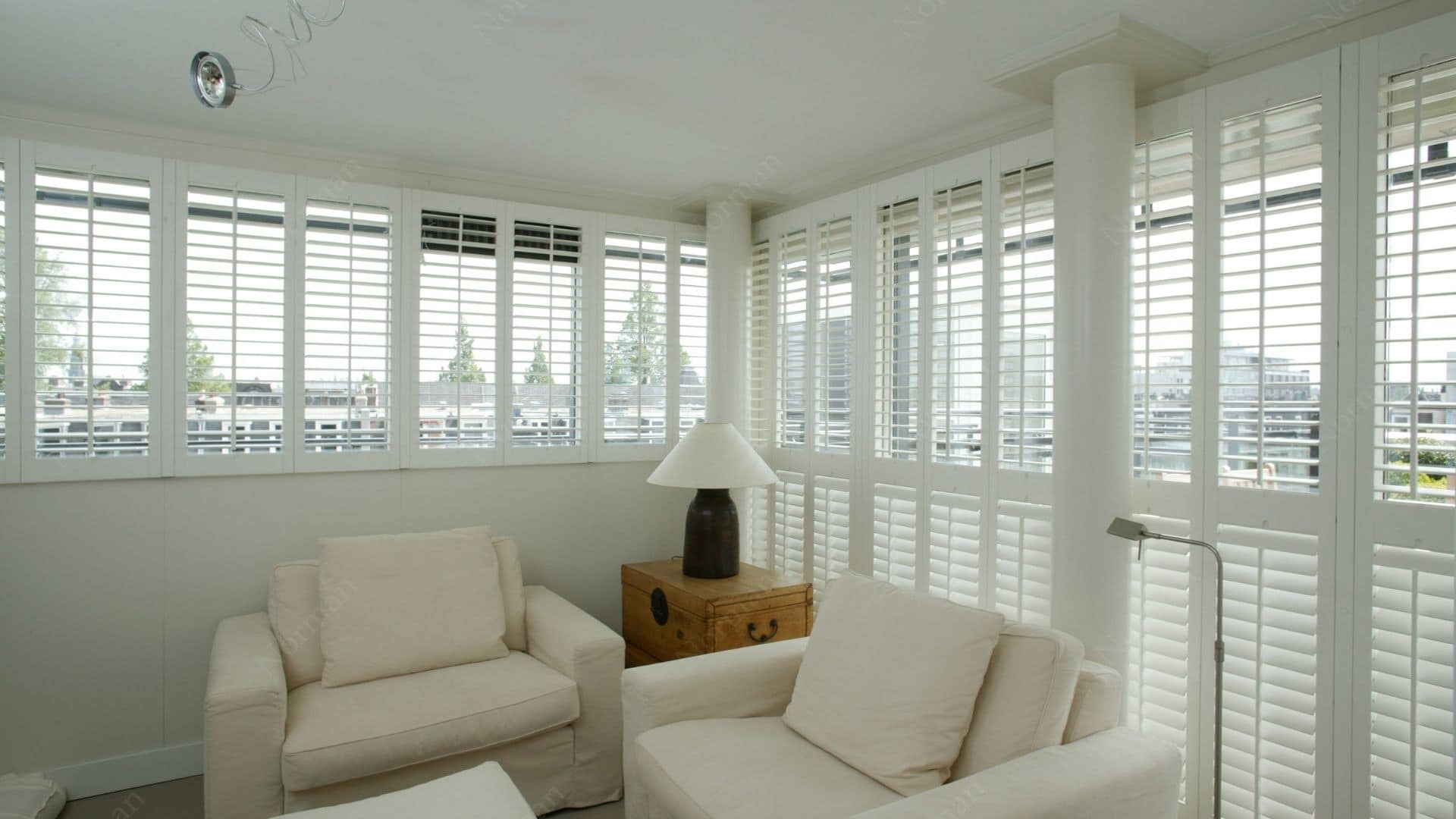
The other way to handle light and privacy at a window.
Window furnishings
Everything Andersens offers for windows, in one place.
Idea Centre
Inspiration and articles from Andersens.
An awning is bought for a building

Someone looks at the site
Orientation, window size, the outdoor space, how exposed it is and what the awning can be fixed to. None of that can be worked out from a website, which is why it starts with a measure and quote.
Samples against your own house
Exterior fabric reads differently against your render, brick and roof colour than it does in a showroom. Ask your local store what sample and in-home options they offer in your area.
Windows handled together
Exterior shading and what goes inside the window are one decision, not two. Andersens can talk through the awning alongside blinds, curtains and shutters for the same rooms.